

How to manage autoimmune disorders with herbal medicine
Autoimmune conditions occur when the immune system mistakenly attacks the body’s own tissues, leading to a wide range of symptoms such as joint pain, digestive issues, and chronic inflammation. While conventional medicine remains important for treatment, many people are turning to herbal medicine and other natural remedies to support their overall health and ease autoimmune symptoms. By taking a holistic approach that blends lifestyle changes, dietary support, and carefully chosen herbs, it’s possible to improve immune balance and enhance quality of life.
How Autoimmune Conditions Affect the Body
Autoimmune conditions disrupt the delicate balance of the immune system, causing T cells and B cells to mistakenly attack the body’s own tissues. This leads to chronic inflammation, an increase in inflammatory cytokines, and damaging effects from oxidative stress. Over time, this ongoing immune activity can harm healthy cells, resulting in significant tissue damage and worsening symptoms. Triggers such as viral infections, infectious diseases, psychological stress, and certain lifestyle factors can further intensify these responses.

This infographic explains how autoimmune conditions develop, showing the role of immune cells, chronic inflammation, triggers, and how the immune system can mistakenly attack healthy tissues.
Herbal Medicine for Autoimmune Support
Herbal medicine has long been used as a supportive therapy for autoimmune conditions, offering both anti-inflammatory properties and antioxidant properties that can ease symptoms and protect healthy tissues. Evidence shows that herbs like Curcuma longa (turmeric), Boswellia serrata, Withania somnifera (ashwagandha), and Licorice root can reduce inflammation, support the digestive tract, and balance the nervous system. Many people also benefit from herbal teas and herbal supplements as part of their daily wellness routine. Working with a clinical herbalist and exploring practices like traditional Chinese medicine ensures safe use, especially since combining herbs with conventional medicine may carry potential side effects.

This post contains Amazon affiliate links. As an Amazon Associate, I earn a commission from qualifying purchases at no extra cost to you.
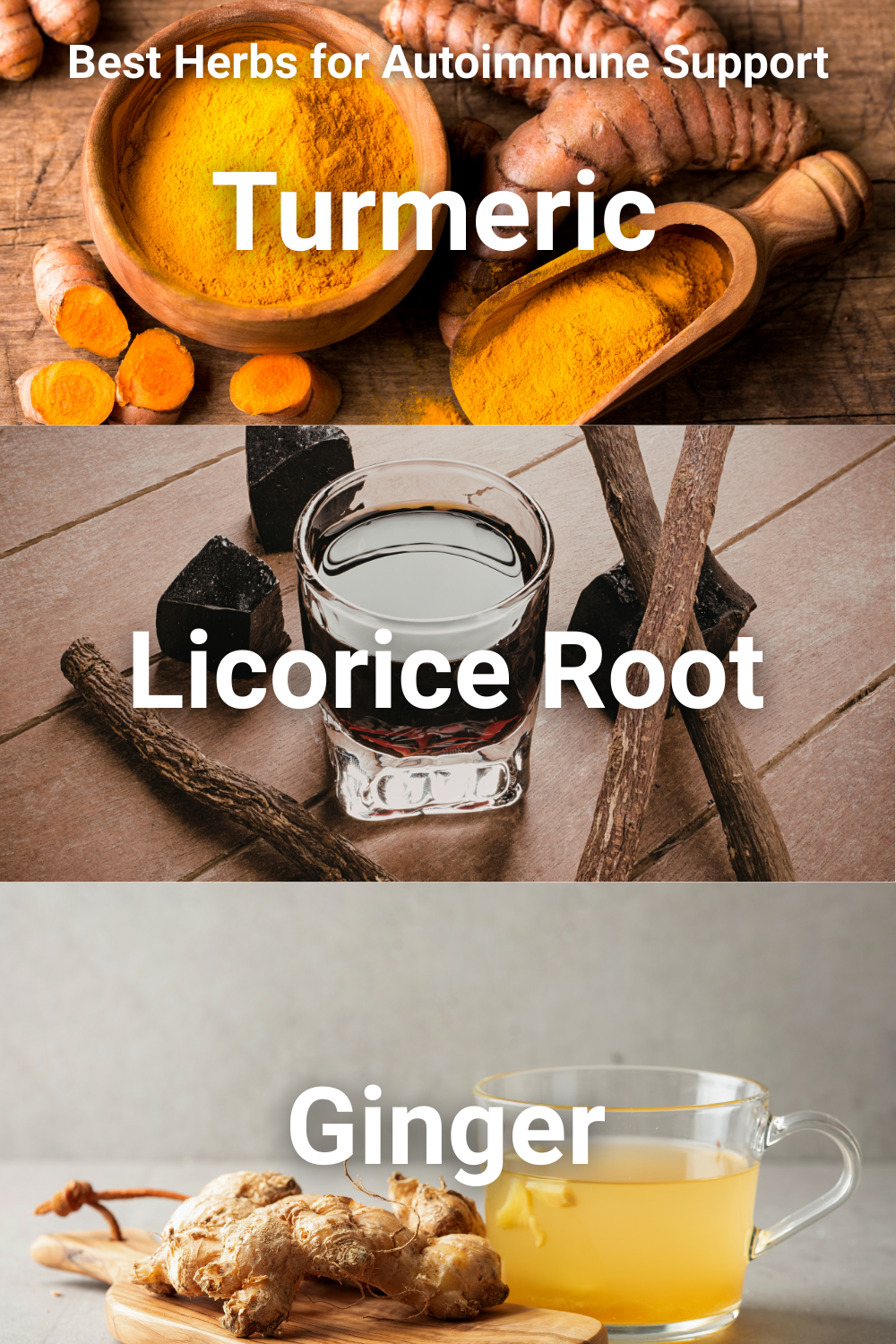
the top herbs that support autoimmune balance, reduce inflammation, and help regulate the immune system naturally. Always consult a qualified practitioner before using herbal remedies.
Lifestyle & Natural Approaches Alongside Herbs
Managing autoimmune conditions goes beyond herbal medicine—daily habits play a powerful role in reducing symptoms and supporting long-term wellness. Dietary changes, such as adding fatty acids and whole foods, can strengthen the digestive tract and promote a healthy immune system. Prioritizing stress management, staying active with regular exercise or the help of a physical therapist, and getting proper sleep and hydration are all essential for protecting overall health. When combined with natural remedies and conventional medical care, these lifestyle choices can significantly improve quality of life for those with autoimmune conditions.

Taking a Holistic Approach
A holistic approach to autoimmune care recognizes that no single method works in isolation. Herbal medicine can support a healthy immune system and protect healthy tissues, but its benefits are amplified when combined with lifestyle changes such as stress reduction, regular exercise, and an anti-inflammatory diet. When used alongside conventional medicine, these natural strategies create a powerful synergy that helps improve immune function and reduce autoimmune symptoms. By addressing the body, mind, and lifestyle together, individuals often experience better balance and an overall improvement in well-being.


How a holistic approach—combining herbal remedies, lifestyle habits, and conventional care—supports immune balance, reduces autoimmune symptoms, and promotes long-term wellness.
Herbal medicine provides meaningful health benefits for those managing autoimmune conditions by calming inflammatory responses, strengthening the immune system, and protecting against long-term tissue damage. While these remedies can be powerful, it’s important to consult with a clinical herbalist or healthcare provider before beginning any new protocol to ensure safety and effectiveness. Remember, even small steps—adding supportive herbs, improving diet, reducing stress, and incorporating movement—can greatly improve quality of life when living with an autoimmune disease.


Natural ways to manage autoimmune conditions through herbal support, professional guidance, healthy lifestyle habits, and small daily changes that improve long-term wellness.