

Every Woman Should Take Probiotics During Menstrual Cycle
Why Probiotics Matter for Women’s Health
The menstrual cycle is not just a reproductive process—it reflects deeper layers of women’s health, including gut health and hormonal balance. As hormone levels shift throughout the month, the body becomes more sensitive to inflammation, digestion, and immune responses. This is where probiotic supplements play a powerful role by supporting beneficial bacteria within the body. A healthy gut microbiome can influence everything from mood to menstrual comfort. Recent research continues to highlight how supporting gut health can improve both reproductive health and overall health.
Understanding the Menstrual Cycle and Hormone Shifts
The menstrual cycle is made up of different phases, including the follicular phase, each influenced by changes in estrogen levels and progesterone levels. These hormone levels fluctuate in a way that can directly impact energy, mood, and digestion. Estrogen metabolism becomes especially important, as excess estrogen can contribute to estrogen dominance. When the body struggles to properly process hormones, it can disrupt overall health. Supporting the body during these shifts is key to maintaining balance.
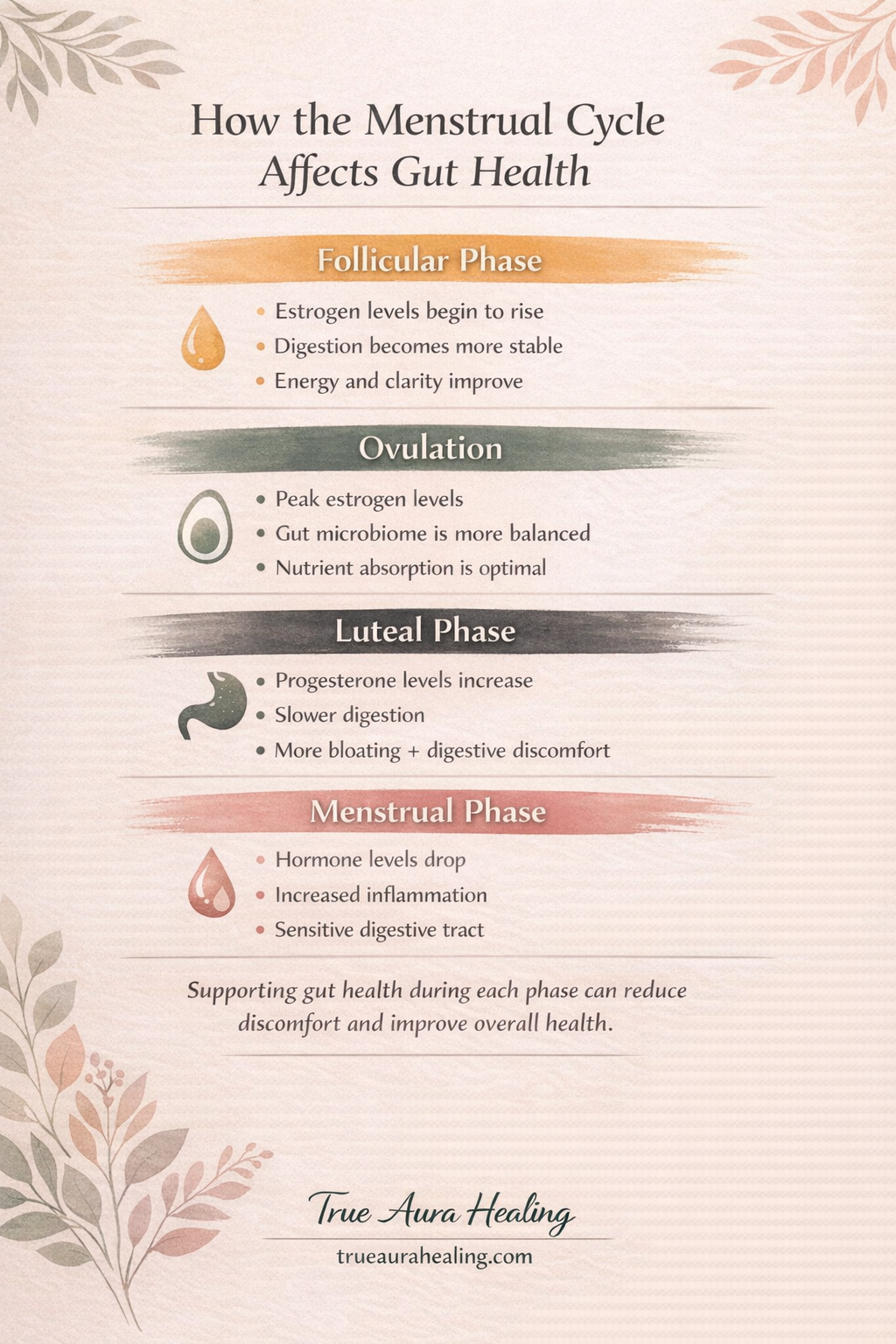
Infographic showing how the menstrual cycle affects gut health, hormone levels, digestion, and inflammation across each phase for better overall health.
Gut Health and the Digestive Tract During the Menstrual Cycle
The digestive tract plays a central role in nutrient absorption and hormone regulation. During the menstrual cycle, many women experience digestive discomfort due to changes in gut health. Conditions like irritable bowel syndrome and inflammatory bowel disease can feel more intense during this time. Gut dysbiosis, or an imbalance in the gut microbiome, can worsen bloating and inflammation. Maintaining a healthy gut microbiome helps support smoother digestion and reduced discomfort.
Probiotics and Vaginal Health
The vaginal microbiome relies on beneficial bacteria to maintain a stable vaginal environment. Lactic acid produced by these bacteria helps keep harmful bacteria from overgrowing. Vaginal probiotics can support vaginal health by reinforcing this natural defense system. When balance is disrupted, issues like bacterial vaginosis, yeast infections, vaginal yeast infection, and vaginal dryness can occur. Supporting the vaginal microbiome is an essential part of women’s health.
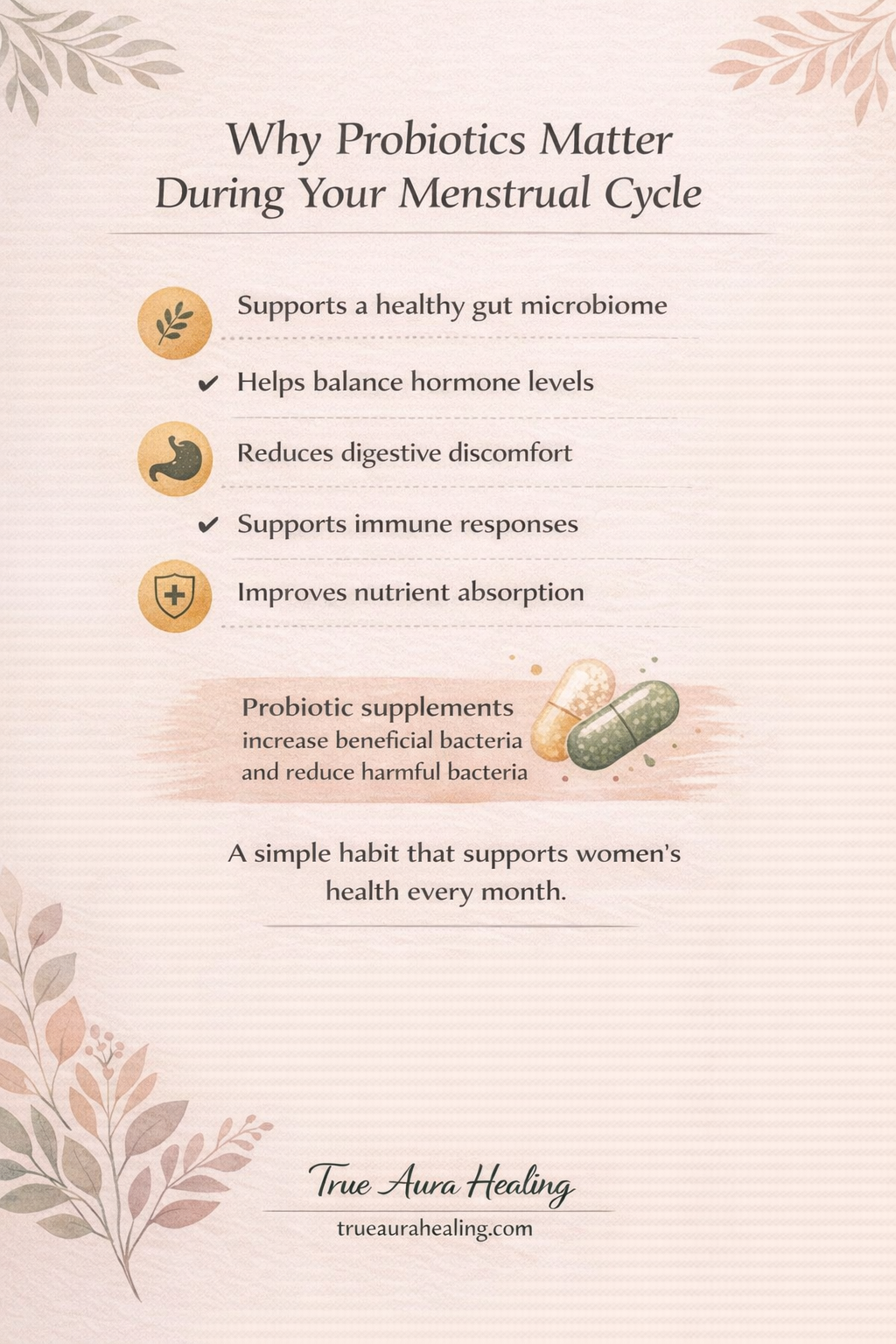
Infographic explaining why probiotics matter during the menstrual cycle, supporting gut microbiome, hormone balance, digestion, and immune health.
Probiotics for PMS Symptoms and Mood Support
PMS symptoms and premenstrual syndrome often include mood swings, fatigue, and food cravings. These changes are closely tied to gut health and immune responses within the body. A balanced gut microbiome can positively influence mental health by supporting neurotransmitter function. Probiotics may help reduce the intensity of mood swings and stabilize energy levels. They can also support the body during common symptoms like breast tenderness.
Reducing Menstrual Pain and Inflammation
Menstrual pain is often linked to inflammation and uterine contractions. When inflammation is elevated, discomfort in the lower abdomen can become more intense. Probiotics may help regulate immune responses, which can reduce overall inflammation. This support can lead to less severe menstrual pain and improved comfort throughout the cycle. For those dealing with chronic pelvic pain, gut health may play a more significant role than expected.
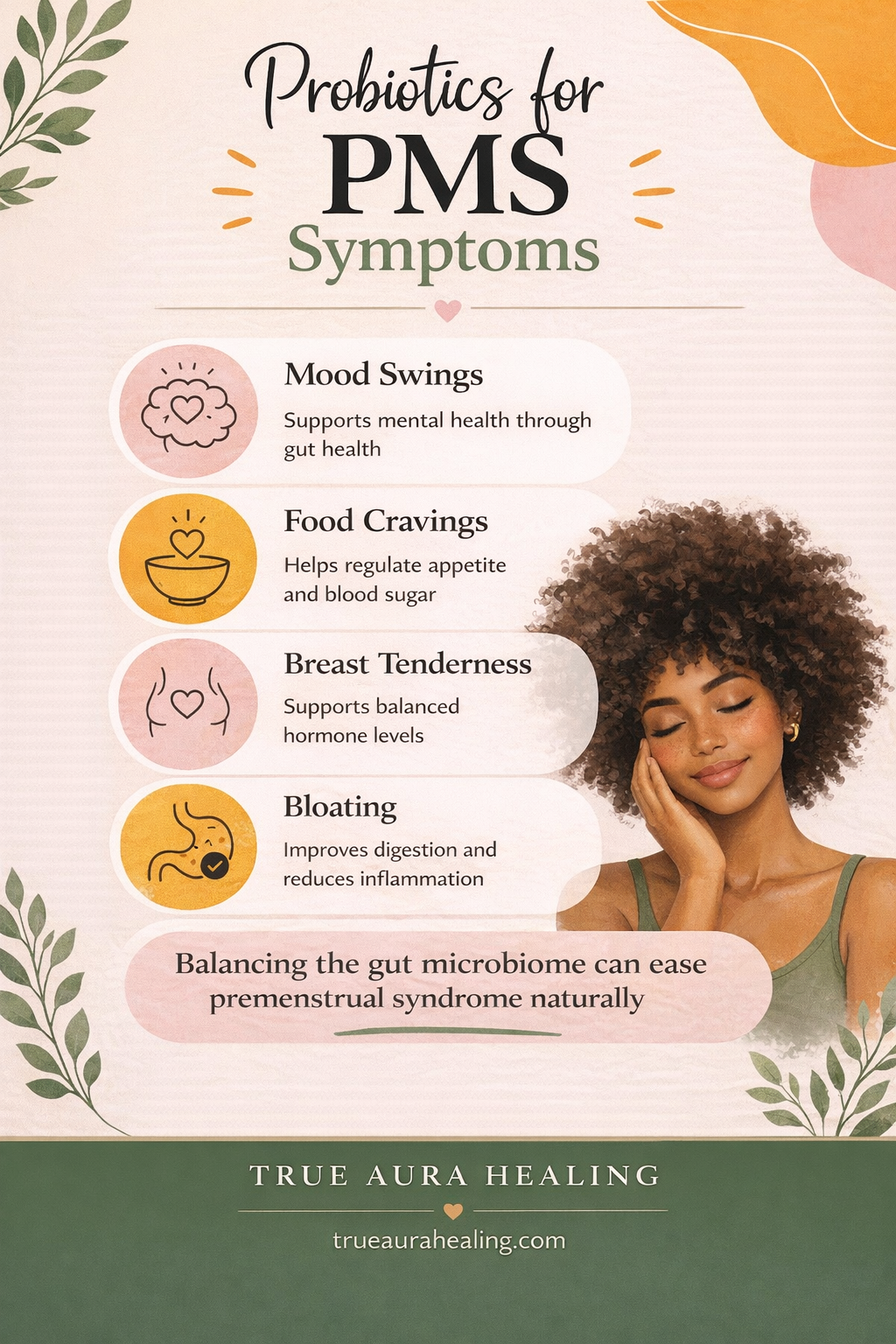
Infographic on probiotics for PMS symptoms, including mood swings, bloating, food cravings, and breast tenderness through improved gut health.
Hormonal Balance and Cycle Regulation
Hormonal balance is essential for maintaining a consistent menstrual cycle and overall health. When hormone levels are disrupted, it can lead to irregular periods and increased discomfort. Probiotics may support the body’s ability to regulate hormones more effectively. This can be especially helpful for conditions like polycystic ovary syndrome. Supporting gut health is a foundational step toward restoring balance.
Choosing the Right Probiotic Supplements
Not all probiotic supplements are created equal, which is why probiotic strains matter. Strains like lactobacillus crispatus and lactobacillus rhamnosus are especially beneficial for women’s health. These strains support both the gut microbiome and vaginal health. While probiotic-rich foods can be helpful, supplements often provide more targeted support. Pairing probiotics with a healthy diet and healthy lifestyle enhances their effectiveness.
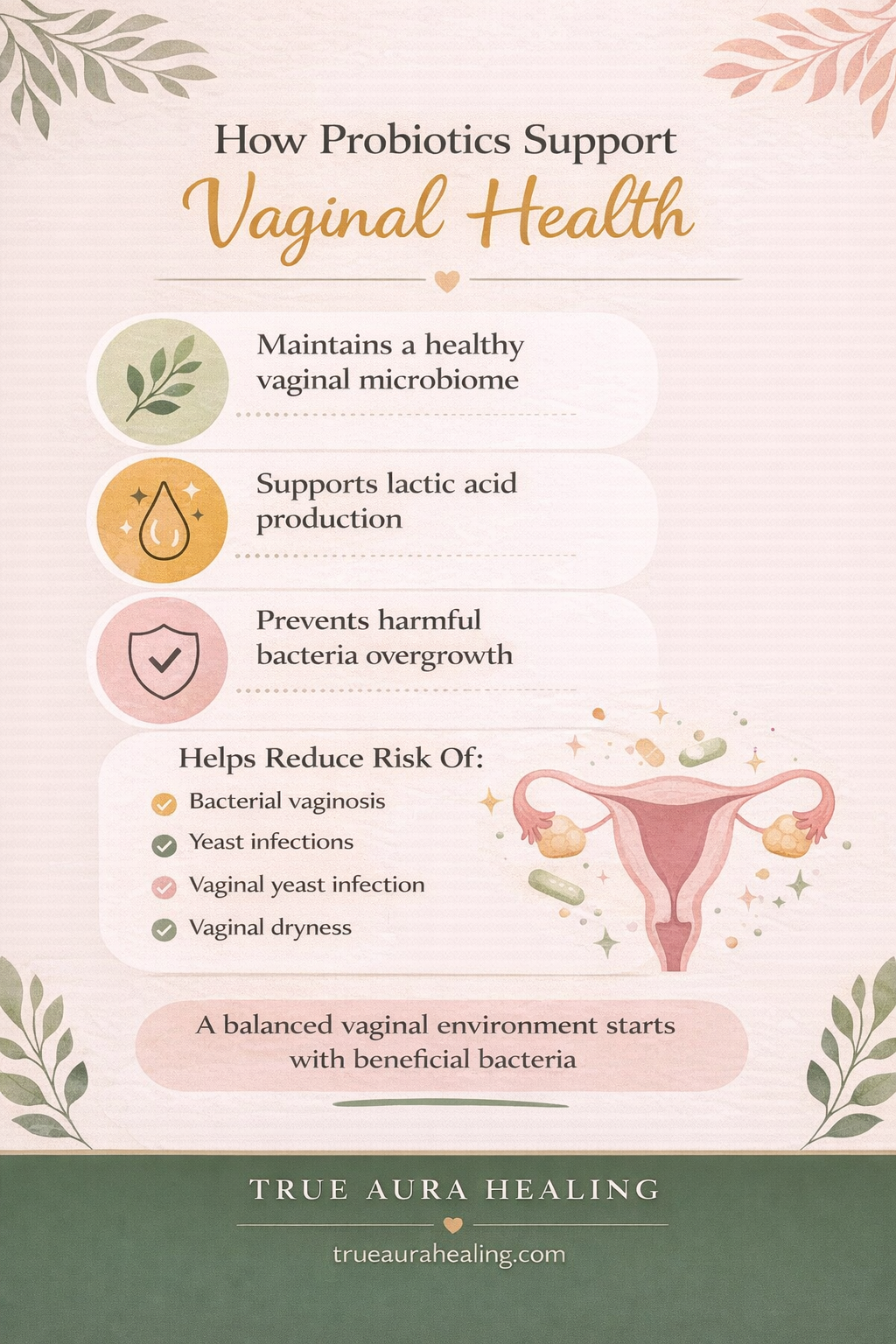
Infographic on how probiotics support vaginal health by maintaining the vaginal microbiome and reducing risk of bacterial vaginosis and yeast infections.
Potential Side Effects and Considerations
While probiotics are generally safe, some people may experience mild side effects as the body adjusts. This can include temporary digestive discomfort as bad bacteria and harmful bacteria are reduced. It’s important to introduce probiotic supplements gradually to support balance. Paying attention to how your body responds is key when supporting women’s health. If concerns arise, seeking guidance can help ensure the best approach.
A Foundational Habit for Menstrual Health
Supporting menstrual health goes beyond managing symptoms—it’s about creating balance within the body. Probiotics offer support for gut health, vaginal health, and overall health in a simple, consistent way. When the body is supported at the microbiome level, it can function more efficiently throughout the menstrual cycle. Incorporating probiotics into a healthy lifestyle can lead to long-term benefits. This information is intended for educational purposes and to empower women to make informed choices.
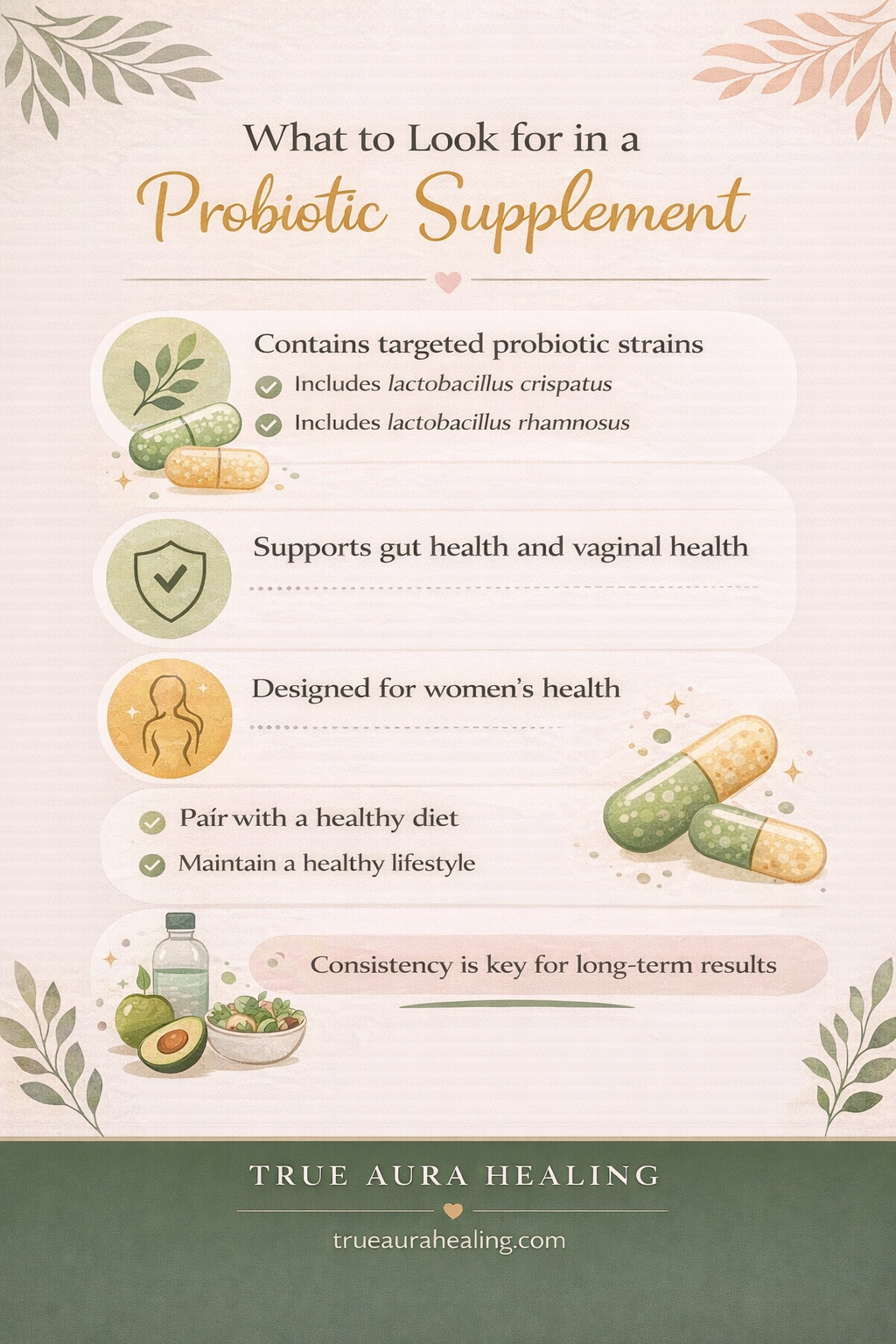
Infographic on choosing the right probiotic supplement with key strains, gut and vaginal health benefits, and tips for long-term wellness support.