

Natural Herbal Remedies For Managing PMS Symptoms
Premenstrual syndrome (PMS) is a common experience for many women during their reproductive years, often bringing a mix of emotional symptoms and physical discomfort that can affect daily life. From mood swings and irritability to fatigue and difficulty concentrating, PMS can feel overwhelming, especially when symptoms interfere with work, relationships, and overall well-being. While the severity varies from person to person, understanding what’s happening in the body is the first step toward finding relief.
Physical symptoms such as breast tenderness, fluid retention, and menstrual cramps can make the days leading up to a cycle especially uncomfortable. These changes are not just “in your head” — they are closely tied to shifts in hormone levels and the body’s natural rhythms. Many women are now seeking ways to support their bodies more gently, looking beyond conventional treatments to explore natural remedies that align with a holistic lifestyle.
It’s also important to distinguish PMS from premenstrual dysphoric disorder (PMDD), a more severe condition that can significantly impact mental health. While both share similar symptoms, PMDD often requires more comprehensive support. Exploring herbal remedies and lifestyle changes can empower women to better understand their bodies and take a proactive role in supporting their health naturally.
What Causes PMS? Hormone Levels, Brain Chemicals, and the Nervous System
PMS is primarily driven by fluctuations in hormone levels that occur during the menstrual cycle, particularly shifts in estrogen and progesterone levels after ovulation. These hormonal changes can influence how the body retains fluid, regulates mood, and manages energy levels. When these shifts become more pronounced, symptoms like bloating, irritability, and fatigue can appear.
Brain chemicals such as serotonin also play a major role in how PMS is experienced, which is why mood swings and emotional sensitivity are so common during this time. The nervous system responds to these hormonal fluctuations, sometimes making women feel more anxious, overwhelmed, or emotionally reactive. Stress can further intensify this response, creating a cycle that makes symptoms feel even more noticeable.
The pituitary gland, often referred to as the “master gland,” helps regulate hormone production and communication within the endocrine system. When hormonal balance is disrupted, it can affect the entire body, from sleep patterns to appetite. Understanding these underlying mechanisms helps explain why a holistic approach that supports both hormonal balance and nervous system health can be so effective.

A natural remedies for PMS infographic highlighting herbal support like vitex agnus-castus, primrose oil, St. John’s wort, ginkgo biloba, and lemon balm to help balance hormones and reduce mood swings naturally.
Common PMS Symptoms Women Experience During That Time of the Month
During that time of the month, many women notice emotional symptoms such as mood swings, irritability, anxiety, or feeling more sensitive than usual. These emotional shifts can make everyday situations feel more intense, sometimes affecting relationships or productivity. While these changes are temporary, they can still feel challenging without the right support.
Physical symptoms are also common, including breast tenderness, bloating, and fluid retention. Some women experience noticeable food cravings or mild weight gain, often due to hormonal changes that influence appetite and metabolism. Fatigue and low motivation can also appear, making it harder to maintain regular routines.
Menstrual cramps, headaches, and digestive changes are additional signs that the body is preparing for menstruation. While these symptoms are typical for PMS, severe or debilitating symptoms may indicate PMDD and should be evaluated by a healthcare professional. Recognizing patterns can help women better anticipate and manage these changes.
The Most Effective Herbal Remedies for PMS Relief
Herbal remedies have been used for centuries to support women’s health, offering gentle yet powerful ways to ease PMS symptoms. Many herbs work by supporting hormonal balance, calming the nervous system, or reducing inflammation in the body. Choosing high-quality herbal supplements and using them consistently can make a noticeable difference over time.
Vitex agnus-castus is one of the most well-known herbs for hormonal balance, often used to support the pituitary gland and help regulate hormone levels. Primrose oil, rich in essential fatty acids, is commonly used to reduce breast tenderness and inflammation. These remedies work best when paired with supportive lifestyle habits.
Other herbs such as St. John’s wort may help support mood and emotional symptoms, while ginkgo biloba can support circulation and cognitive function. Lemon balm is widely appreciated for its calming effects on the nervous system, making it helpful for stress and irritability. Together, these herbs create a holistic toolkit for managing PMS naturally.

Educational PMS symptom guide explaining how hormonal changes can cause fatigue, food cravings, fluid retention, and emotional sensitivity during the menstrual cycle.
Vitamins and Nutrients That Support Healthy Menstrual Cycles
In addition to herbs, certain nutrients play a key role in supporting healthy menstrual cycles and reducing PMS symptoms. Vitamin B, particularly B6, is known for its role in supporting mood, energy production, and nervous system health. Ensuring adequate intake can help reduce fatigue and emotional sensitivity.
Essential fatty acids, including omega-3s, help reduce inflammation and support hormone production. Magnesium is another important nutrient that may help relax muscles, reduce cramps, and support better sleep. Together, these nutrients create a strong foundation for hormonal balance.
Focusing on nutrient-dense foods and targeted supplementation can help the body better adapt to hormonal changes throughout the cycle. Supporting the body nutritionally not only helps reduce symptoms but also promotes overall wellness and resilience.
Traditional and Holistic Approaches to PMS Management
Traditional Chinese Medicine (TCM) views PMS as a sign of imbalance within the body’s energy systems, often focusing on supporting liver function and improving energy flow. Herbal blends, acupuncture, and dietary changes are commonly used to restore balance and reduce symptoms. These approaches emphasize treating the root cause rather than just managing symptoms.
A holistic approach also considers emotional well-being, stress levels, and lifestyle habits. Practices such as mindfulness, breathwork, and gentle movement can help calm the nervous system and support hormonal health. Cognitive behavioural therapy can also be helpful for managing emotional symptoms and improving coping strategies.
By combining traditional wisdom with modern understanding, women can create a well-rounded approach that supports both physical and emotional health. This integrative perspective encourages listening to the body and responding with care and intention.
Lifestyle Changes That Can Reduce PMS Symptoms Naturally
Lifestyle changes are often one of the most powerful ways to reduce PMS symptoms naturally. Regular exercise helps regulate hormone levels, improve mood, and reduce stress, all of which can ease both emotional and physical symptoms. Even gentle movement like walking or yoga can make a difference.
A healthy diet rich in whole foods, healthy fats, and fiber supports stable blood sugar and reduces inflammation. Reducing processed foods and added sugars may help minimize food cravings and energy crashes. Staying hydrated also supports the body’s natural detoxification processes.
Prioritizing sleep and stress management is equally important, as chronic stress can worsen hormonal imbalances. Creating calming evening routines and setting boundaries around rest can help the body feel more supported throughout the cycle.

Holistic nutrition infographic highlighting the best foods to eat during PMS to support hormonal health, reduce inflammation, and stabilize mood.
Natural Remedies for Specific PMS Symptoms
Different symptoms often respond best to targeted natural remedies. For fluid retention and bloating, herbal teas and proper hydration can help support the body’s natural balance. Gentle diuretic herbs may also provide relief when used appropriately.
For menstrual cramps, fresh ginger tea is widely known for its warming and anti-inflammatory properties. Heat therapy and relaxation techniques can further help ease muscle tension and discomfort. Supporting circulation can also reduce pain intensity.
Mood swings and emotional symptoms may improve with nervous system calming herbs such as lemon balm or adaptogenic support. Combining herbal remedies with mindfulness practices can help create a sense of calm and emotional stability during this phase of the cycle.
When to Consider Medical Support or Birth Control Pills
While natural remedies can be very effective, some women may need additional support depending on the severity of their symptoms. Birth control pills are sometimes used to regulate hormone fluctuations and reduce PMS symptoms, particularly when cycles are irregular or symptoms are severe.
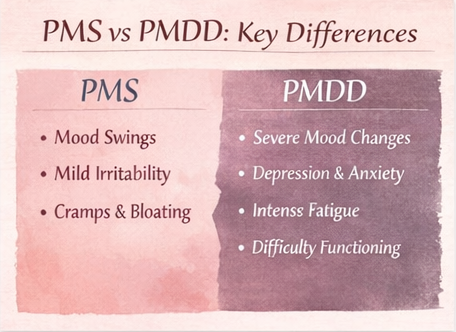
Hormonal health infographic showing how PMS and PMDD differ in symptom severity including mood changes, fatigue, and daily functioning.
Premenstrual dysphoric disorder (PMDD) is a more intense condition that can significantly affect mental health and daily functioning. In these cases, working with a healthcare provider is essential to develop a comprehensive treatment plan.
Integrating natural approaches alongside medical guidance can often provide the most balanced support. Every woman’s body is different, and finding the right combination of care is key to long-term relief.
Creating a Personalized PMS Relief Routine
Creating a personalized routine begins with tracking symptoms and noticing patterns throughout the cycle. This awareness helps identify which remedies and lifestyle changes are most effective for your unique body. Journaling or using a cycle tracking app can be helpful tools.
Building a simple herbal routine with supportive nutrients, calming practices, and nourishing foods can create a strong foundation for hormonal balance. Consistency is more important than perfection, and small daily habits often lead to the greatest improvements over time.
Listening to your body and adjusting as needed allows for a more intuitive approach to wellness. Over time, this personalized care can lead to healthier menstrual cycles and a greater sense of balance.

Holistic PMS management infographic showing simple lifestyle changes that can help reduce mood swings, improve energy, and support menstrual health.
Supporting Women’s Health Naturally
Supporting women’s health naturally means recognizing the body’s rhythms and responding with compassion and care. Herbal remedies, balanced nutrition, and supportive lifestyle habits can work together to ease PMS symptoms and promote overall wellness. Small, consistent changes can have a meaningful impact.
Taking a holistic approach encourages looking beyond symptom management to address the root causes of imbalance. By supporting hormonal balance, emotional well-being, and nervous system health, women can feel more empowered throughout their cycles.
Every body is unique, and finding what works best may take time and experimentation. With patience and the right support, it’s possible to create a routine that honors your body and supports long-term health.
⭐ FAQ
What is the best herb for PMS mood swings?
Vitex and St. John’s wort are commonly used to support mood balance, though individual responses may vary.
How long does vitex take to work?
Vitex typically takes about 2–3 months of consistent use to show noticeable effects.
Can diet really reduce PMS symptoms?
Yes, a balanced diet can help stabilize blood sugar, reduce inflammation, and support hormone balance.
What’s the difference between PMS and PMDD?
PMDD is a more severe form of PMS with intense emotional symptoms that significantly impact daily functioning.
This article is for educational purposes only and is not intended to replace medical advice. Always consult a qualified healthcare provider before starting any herbal supplements, especially if pregnant, nursing, or taking medications.