

Simple Anti-Inflammatory Diet With Printable Recipes
Inflammation isn’t loud—it’s sneaky, slow, and often hiding in foods we were told were “normal.” It shows up as joint pain, stubborn weight gain, brain fog, or fatigue long before it ever earns a diagnosis. While most anti-inflammatory diet lists center European foods, healing doesn’t belong to one culture, and neither does good nutrition. From collard greens and okra to miso, turmeric, and fatty fish, anti-inflammatory foods exist across every kitchen and heritage. This simple anti-inflammatory diet brings science, tradition, and real-life practicality together—without fear, restriction, or forgetting who’s been left out of the conversation.

Chronic inflammation is the body’s immune response staying switched on too long, increasing the risk of long-term disease.
What Is Inflammation—and Why It Matters
Inflammation is part of the body’s natural immune response, designed to protect us from injury and foreign invaders, but not all inflammation is helpful. Acute inflammation is short-term and healing, while chronic inflammation occurs when the inflammatory response stays active for too long, even without a clear threat. Research has linked ongoing inflammation to an increased risk of chronic diseases, including heart disease, cardiovascular disease, autoimmune diseases, and Alzheimer’s disease. According to evidence reviewed by Harvard Medical School, The Lancet, and the Journal of Nutrition, persistent inflammation can quietly damage tissues and disrupt normal metabolic processes over time. Understanding how inflammation works is a critical first step in making informed lifestyle and nutrition choices that support long-term health.
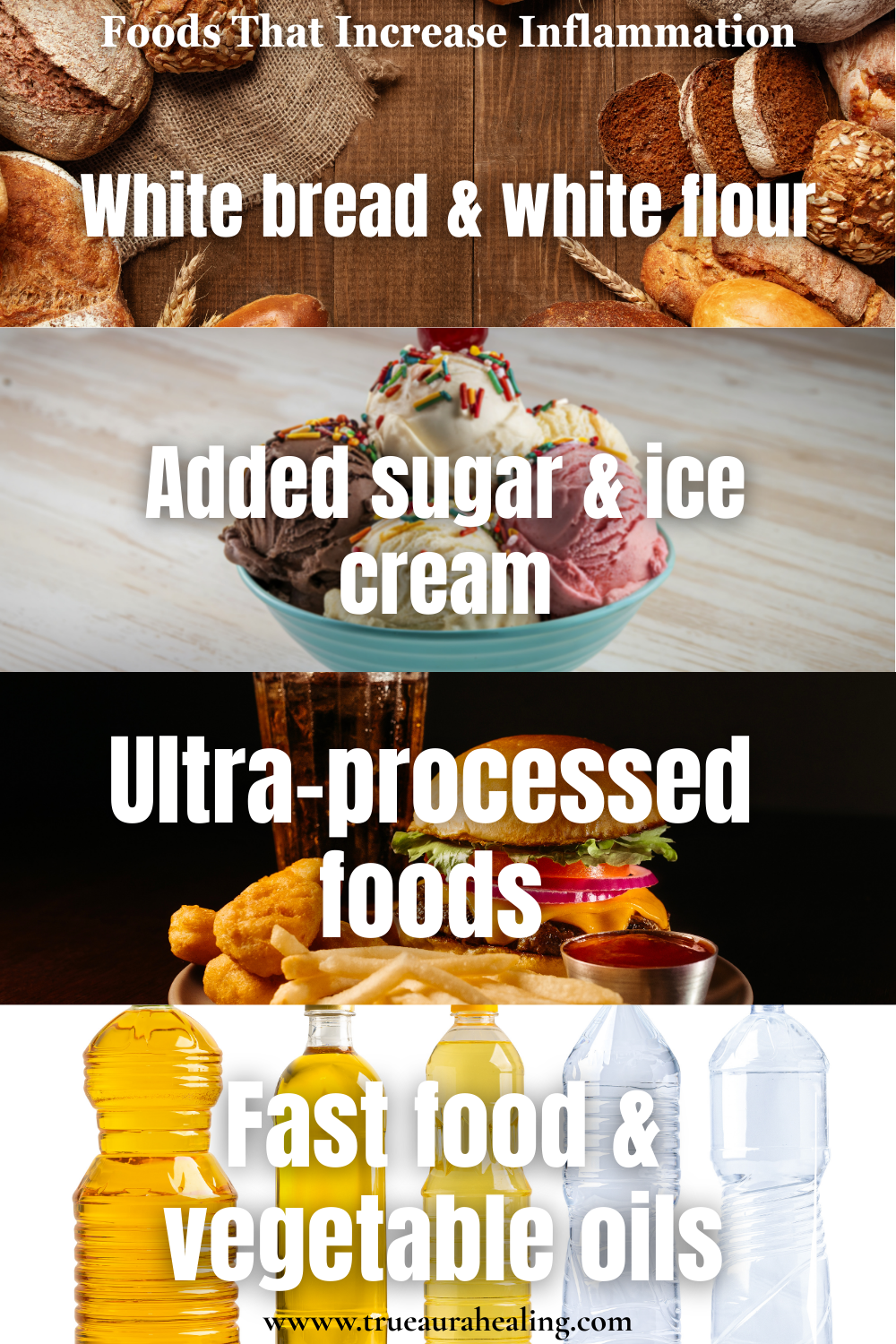
Certain foods can trigger inflammatory responses when eaten regularly.
How an Anti-Inflammatory Diet Supports Overall Health
An anti-inflammatory diet is best viewed as a flexible eating plan, not a list of foods to fear or eliminate. Patterns like the Mediterranean diet and DASH diet focus on whole, nutrient-dense foods that support an anti-inflammatory effect while still being enjoyable and sustainable. Research published in the New England Journal of Medicine and BMJ shows these approaches are associated with lower inflammation markers, improved blood sugars, and a more balanced immune system response. Rather than restriction, this style of eating emphasizes variety, satisfaction, and nourishment. Over time, consistently choosing a healthy diet like this can positively influence overall health and long-term wellness.
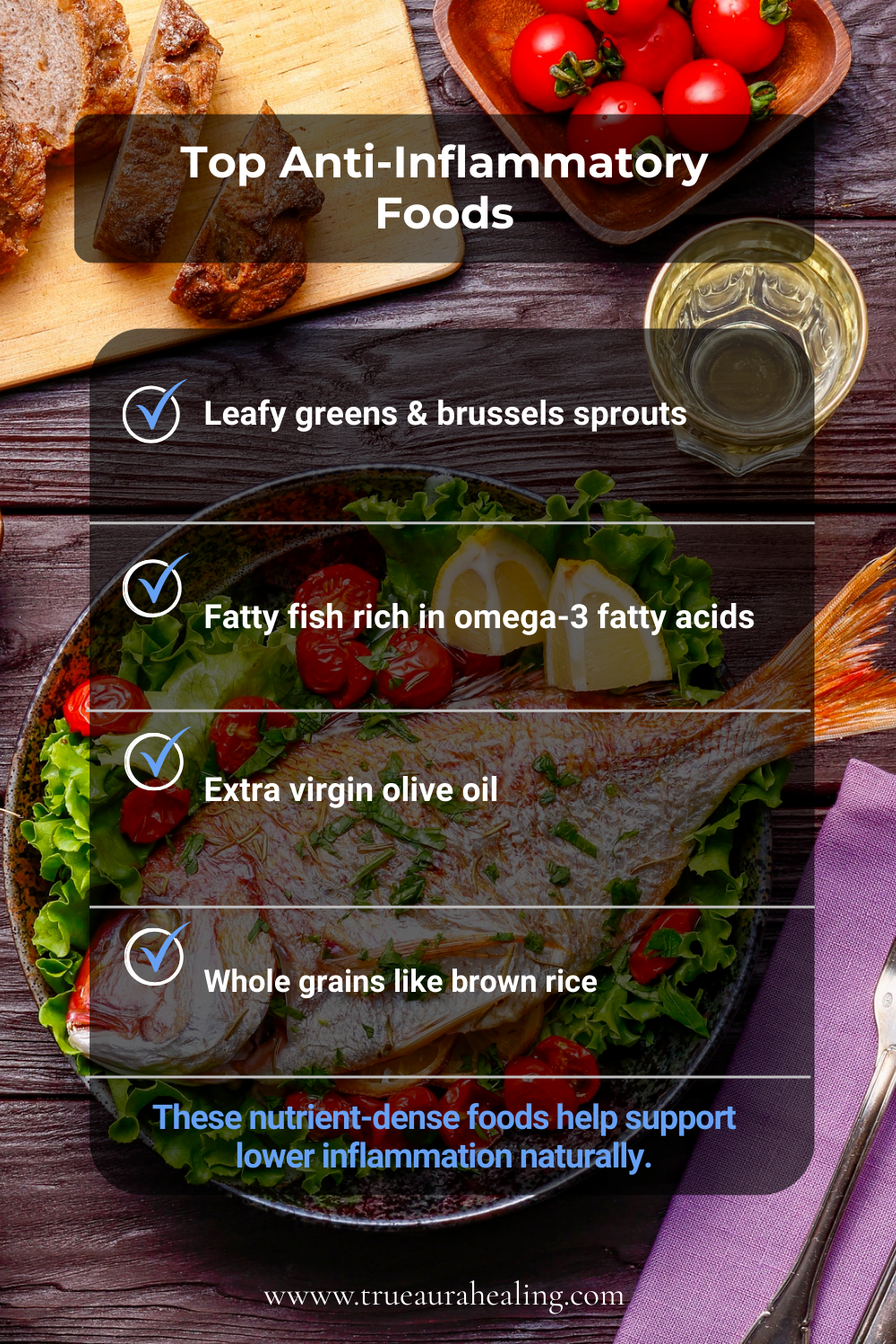
These nutrient-dense foods help support lower inflammation naturally.
Amazon Product Recommendations

Foods That Increase vs Lower Inflammation
The foods we eat daily can either raise or reduce the body’s risk of inflammation. Diets high in ultra-processed foods, added sugar, white bread, white rice, fast food, and ice cream are associated with higher inflammation levels, especially when consumed regularly. In contrast, foods with strong anti-inflammatory properties—such as leafy greens, brussels sprouts, whole grains, fatty fish, and fresh fruits—help support the body’s natural balance. Healthy fats from extra virgin olive oil, nuts, seeds, and omega-3-rich fish provide essential fatty acids that play a role in regulating inflammatory pathways. Shifting even a few meals toward these nutrient-dense foods can make a meaningful difference over time.
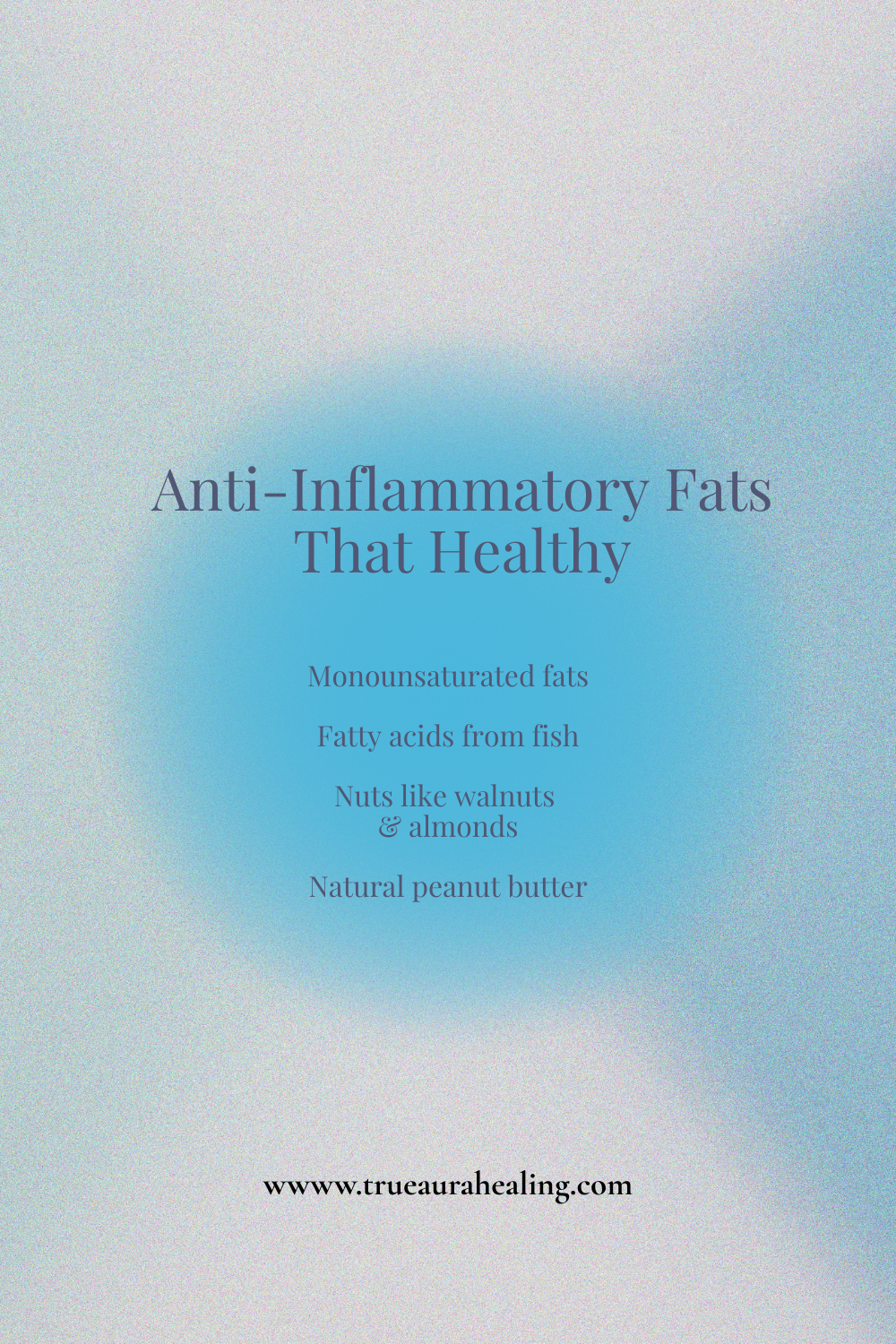
Healthy fats play a key role in regulating inflammation.
Building a Simple Anti-Inflammatory Meal Plan
Building a simple anti-inflammatory meal plan starts with balancing protein, fiber, and healthy fats at every meal. Incorporating nutrient-dense snacks like unsalted dry-roasted almonds, walnuts, or a medium apple, orange, or pear helps keep energy steady and supports the body’s natural anti-inflammatory processes. Focusing on whole, minimally processed foods ensures that your daily totals of fiber, protein, and fat are aligned with health goals. Small, consistent choices throughout the day make anti-inflammatory eating sustainable and practical for busy lifestyles. Over time, this approach not only nourishes the body but also supports long-term wellness and metabolic balance.
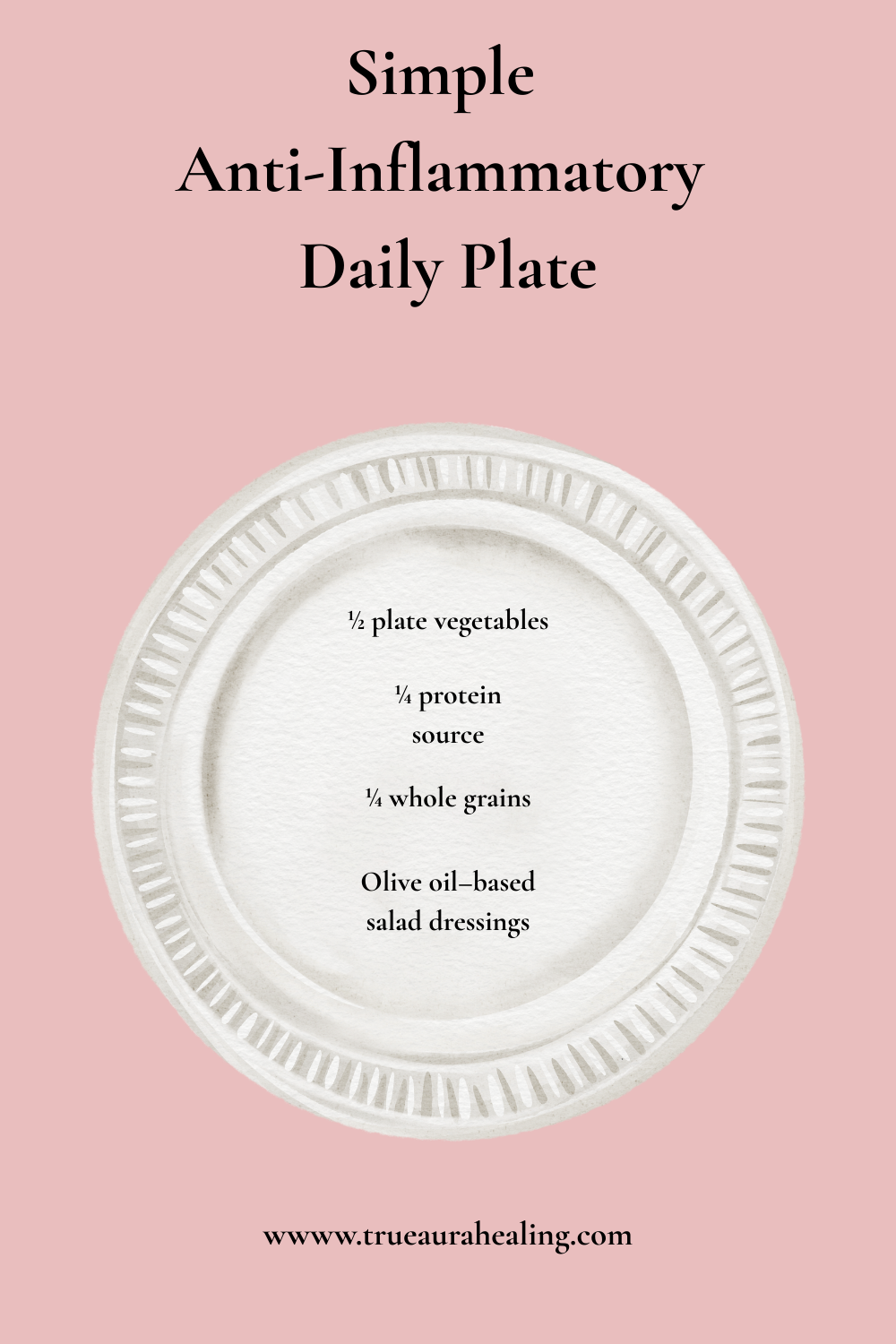
A balanced plate helps keep inflammation levels steady.
Amazon Product Recommendations


Who Should Consider an Anti-Inflammatory Diet
An anti-inflammatory diet can be particularly helpful for individuals experiencing symptoms of inflammation, such as joint pain, fatigue, or digestive discomfort. It may also benefit those with inflammatory bowel disease or non-alcoholic fatty liver disease, as research suggests nutrient-dense, whole-food eating patterns can help support overall health. While many people may experience improvements in energy and well-being, this guide is not medical advice, and results can vary based on individual needs. Anyone considering dietary changes for chronic conditions should consult a qualified healthcare provider to ensure safety and effectiveness. Adopting anti-inflammatory eating habits can be a supportive strategy alongside professional guidance.
Amazon Product Recommendations
Understanding and addressing chronic inflammation is a powerful step toward improving overall health and preventing long-term disease. By focusing on anti-inflammatory foods, nutrient-dense meals, and balanced eating plans, individuals can support their body’s natural immune and inflammatory response. Incorporating habits like whole grains, leafy greens, fatty fish, nuts, and healthy fats helps reduce the risk of chronic diseases such as heart disease, cardiovascular disease, and autoimmune conditions. While chronic inflammation can quietly affect the body over time, making informed dietary choices can be a practical, evidence-informed strategy for wellness. Remember, these approaches complement professional guidance and are part of a holistic path to overall health and long-term vitality.