

What you eat maybe causing your seborrheic dermatitis
Seborrheic dermatitis is a common skin condition that can cause redness, itching, dandruff, and scaly patches on areas of the body rich in oil-producing sebaceous glands. While the exact cause of seborrheic dermatitis is not fully understood, growing research suggests that factors such as diet, immune system function, inflammation, and overall skin health may influence symptom severity. Certain foods may contribute to inflammation or trigger flare-ups in some individuals, making dietary habits an important area to consider when managing symptoms. By taking a more holistic approach that includes nutrition, lifestyle habits, and appropriate medical care, many people may be able to better support their skin health and reduce the frequency of flare-ups.
What Is Seborrheic Dermatitis?
Seborrheic dermatitis is a chronic inflammatory skin condition that commonly affects areas of the body with a high concentration of sebaceous glands, such as the scalp, face, ears, and upper chest. It often appears as redness, itching, dandruff, or scaly patches that can come and go over time. Although the exact cause is not fully understood, factors such as oil production, skin microorganisms, genetics, and immune system activity are believed to play a role. Seborrheic dermatitis can sometimes resemble other skin conditions, making proper diagnosis important for effective management and treatment.
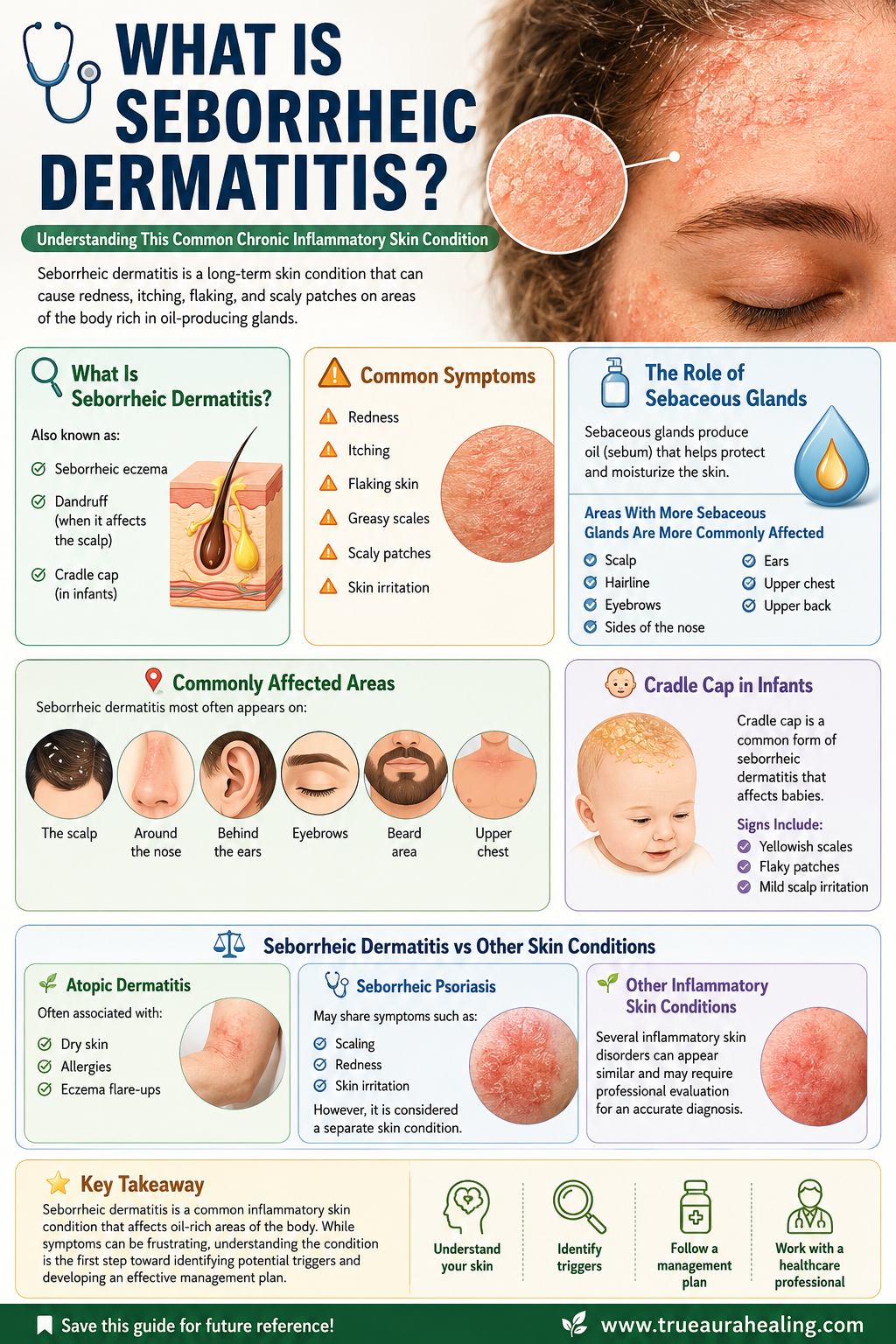
Educational infographic explaining seborrheic dermatitis symptoms, affected body areas, sebaceous glands, cradle cap, and related skin conditions.
The Exact Cause of Seborrheic Dermatitis
The exact cause of seborrheic dermatitis remains complex, and researchers believe multiple factors contribute to its development. Current research suggests that Malassezia, a naturally occurring yeast on the skin, may interact with excess oil production and free fatty acids, triggering an inflammatory response in susceptible individuals. Several risk factors have also been associated with seborrheic dermatitis, including chronic stress, certain medical conditions, Parkinson's disease, vitamin D deficiency, and insulin resistance. Because each person may have different triggers, understanding these contributing factors can be an important part of managing symptoms and reducing flare-ups.
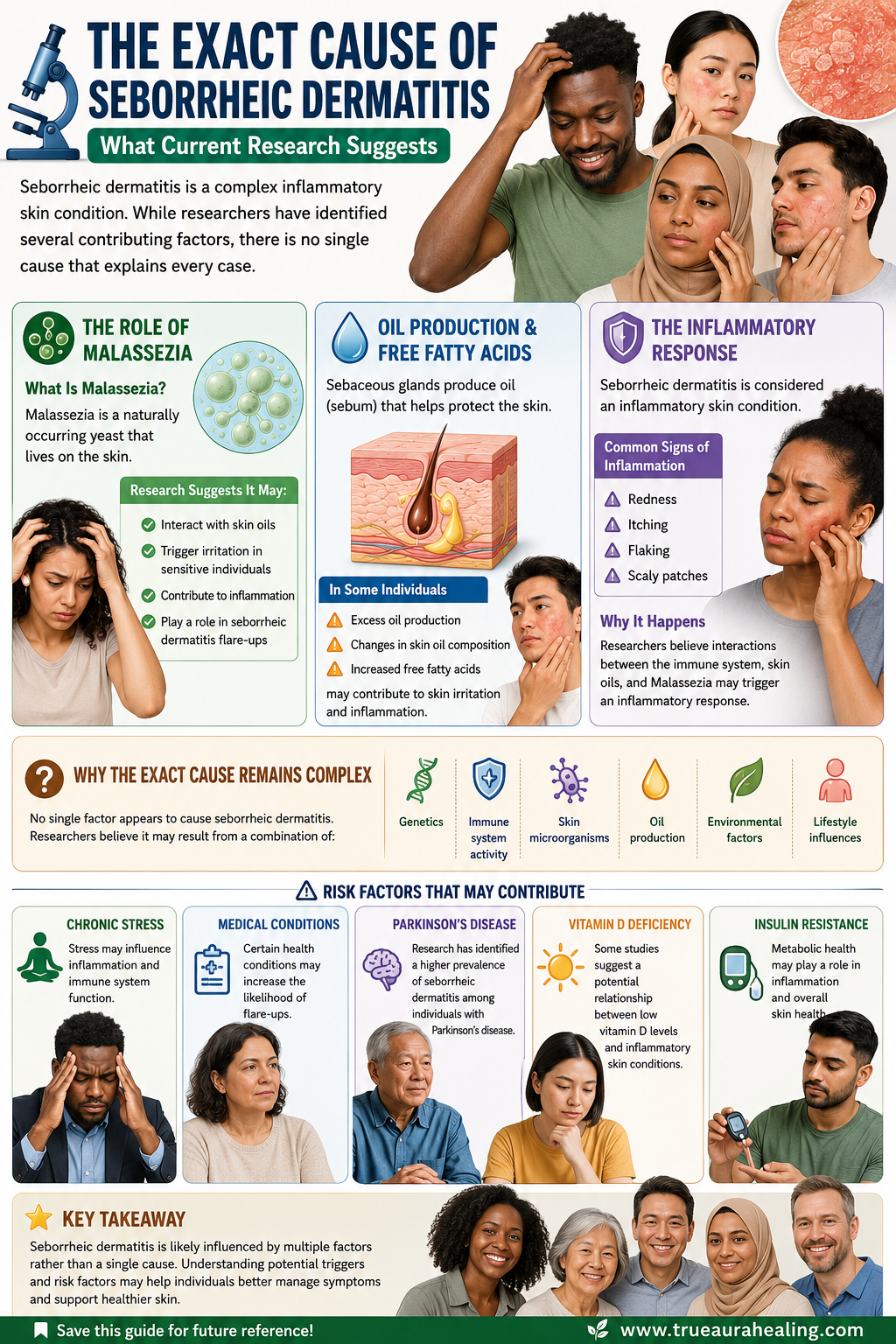
Infographic explaining the possible causes of seborrheic dermatitis including Malassezia, inflammation, oil production, and common risk factors.
Can Certain Foods Trigger Seborrheic Dermatitis?
While food is not considered the direct cause of seborrheic dermatitis, emerging research suggests that dietary patterns may influence inflammation, immune system function, and skin health. Certain foods may contribute to chronic inflammation, which can potentially worsen skin irritation and increase the frequency of flare-ups in some individuals. The Western diet, which is often high in sugar, unhealthy fats, and heavily processed foods, has been associated with increased inflammation and blood sugar imbalances. These factors may affect the body's inflammatory response and potentially influence seborrheic dermatitis symptoms. Although individual responses vary, paying attention to dietary habits may help some people better manage their skin health over time.
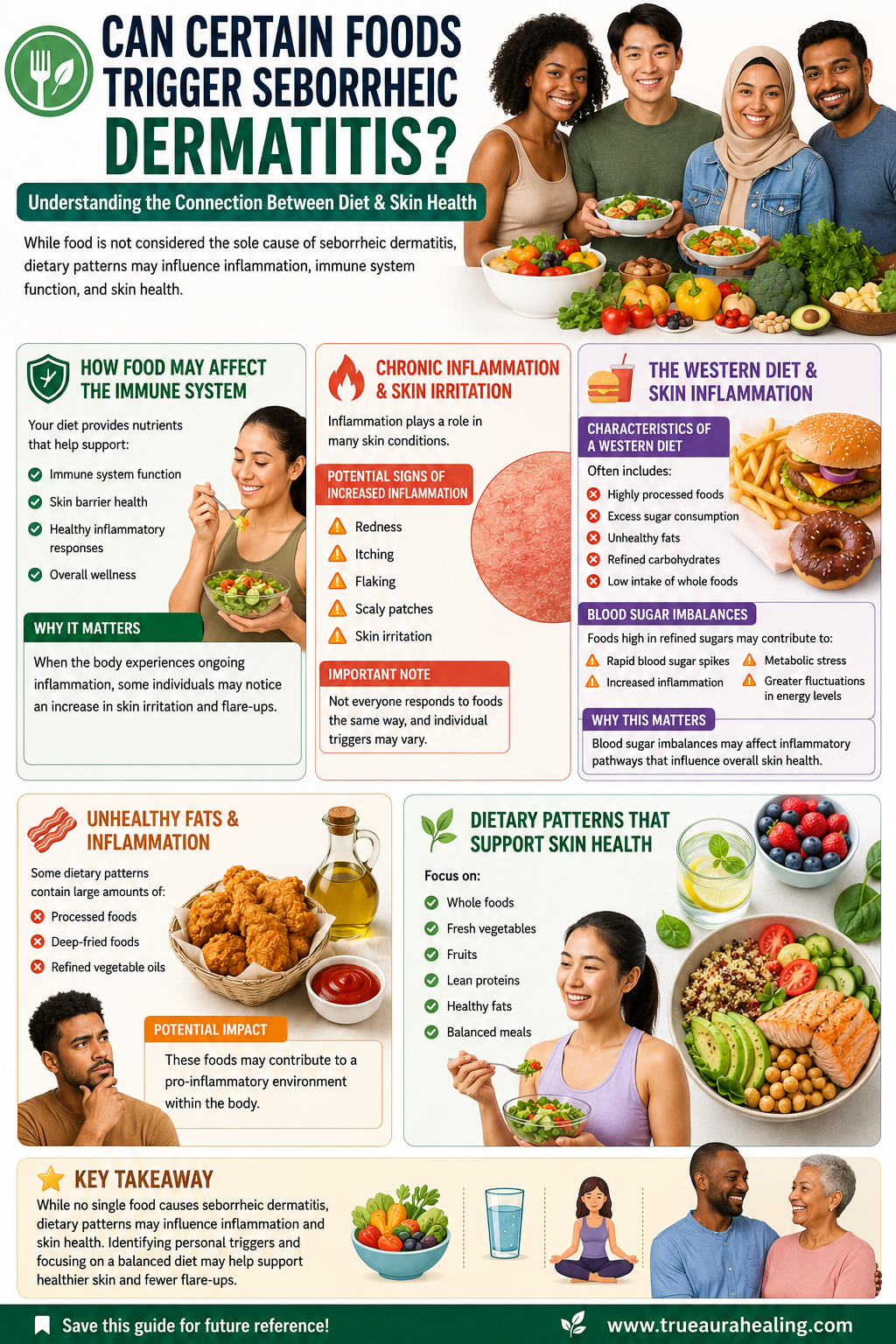
Infographic showing the relationship between diet, inflammation, immune function, and seborrheic dermatitis symptoms.
Foods That May Worsen Seborrheic Dermatitis
Certain foods may contribute to inflammation or trigger skin irritation in some individuals with seborrheic dermatitis, although responses can vary significantly from person to person. Dairy products, white bread, refined foods, unhealthy fats, and highly processed foods have been associated with inflammatory dietary patterns that may influence skin health and blood sugar regulation. Red meats may also contribute to chronic inflammation when consumed in excess as part of an overall unhealthy diet. Because food sensitivities and allergic reactions are highly individualized, keeping a food diary may help identify potential dietary triggers and patterns associated with flare-ups.
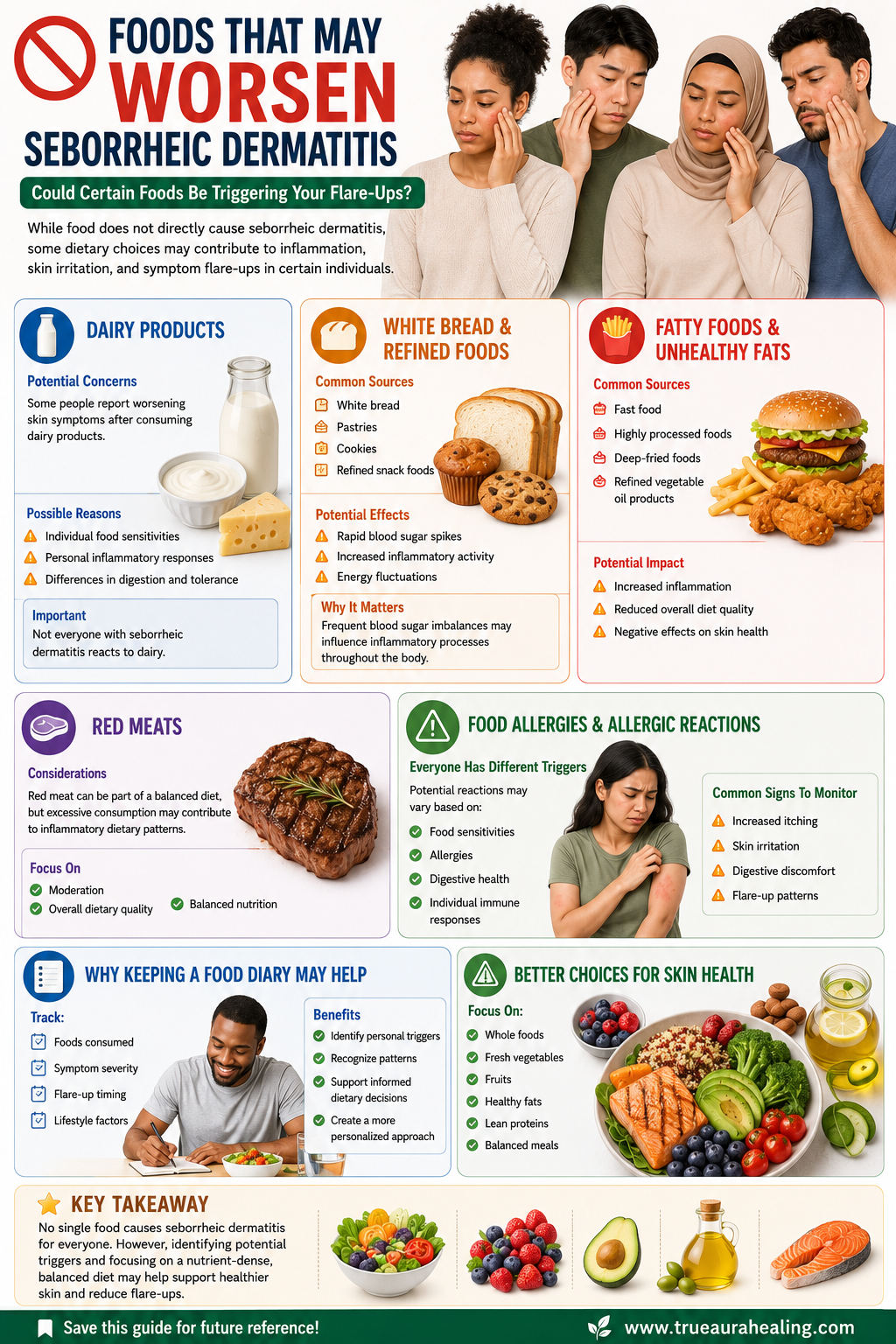
Infographic highlighting foods that may worsen seborrheic dermatitis symptoms and how to identify potential dietary triggers.
Foods That May Support Skin Health
While no single food can cure seborrheic dermatitis, certain dietary patterns may help support overall skin health and a healthy inflammatory response. Anti-inflammatory foods, whole-food dietary patterns, and Mediterranean diet principles emphasize nutrient-dense ingredients that support both the immune system and overall wellness. Citrus fruits, fresh produce, lean proteins, and healthy fats such as olive oil provide vitamins, minerals, and beneficial compounds that contribute to nutritional balance. Replacing highly processed foods with whole, minimally processed options may help create a dietary foundation that supports healthier skin over time.
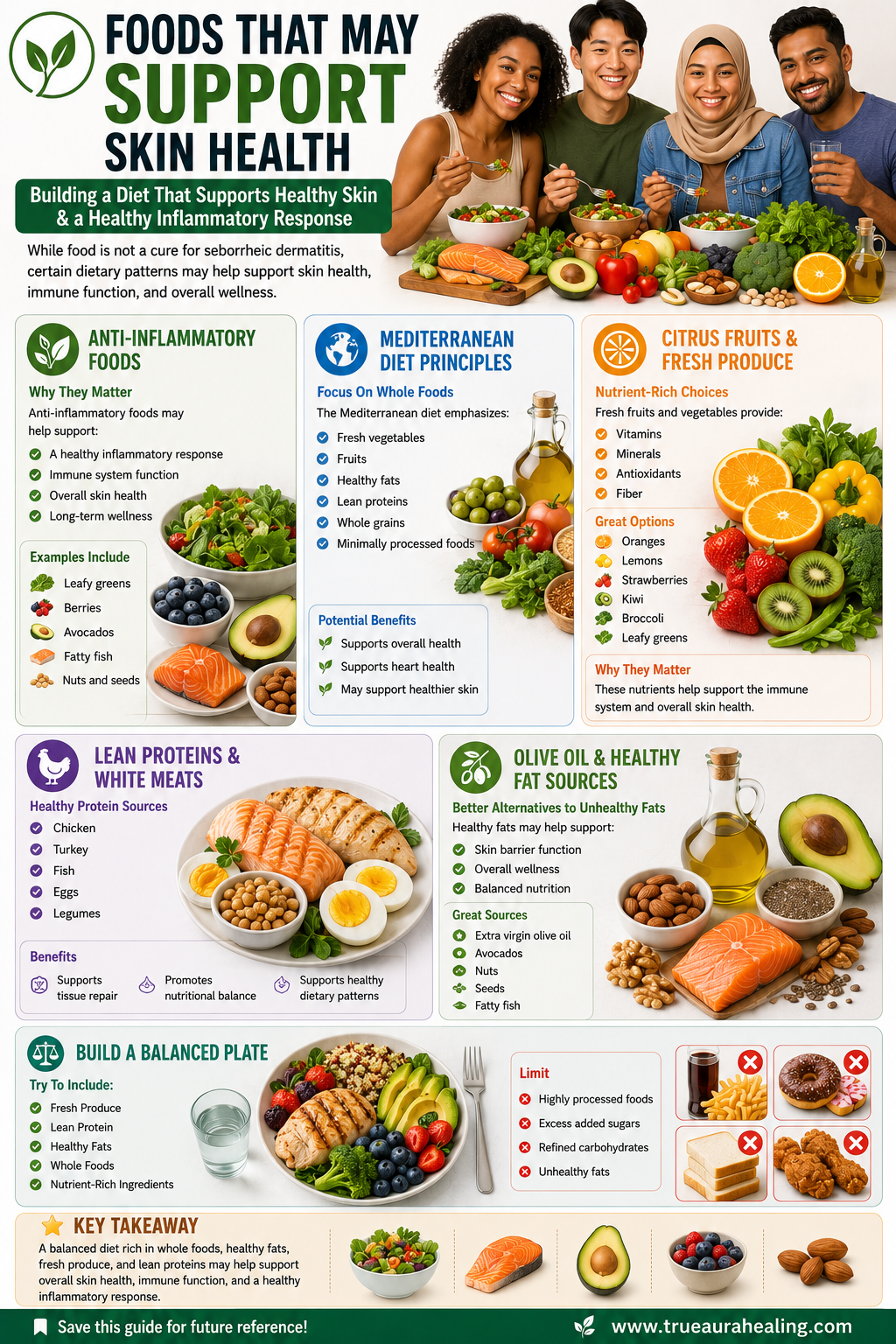
Educational infographic featuring anti-inflammatory foods, Mediterranean diet foods, healthy fats, citrus fruits, and lean proteins that support skin health.
Nutritional Support for Seborrheic Dermatitis
Certain nutrients and supplements have gained attention for their potential role in supporting skin health and overall wellness in individuals with seborrheic dermatitis. Vitamin D is important for immune system function and may play a role in inflammatory skin conditions, with some research suggesting a possible association between vitamin D deficiency and symptom severity. Vitamin E provides antioxidant support that may help protect skin cells from oxidative stress and contribute to overall skin health. Other supplements, including biotin and various dietary supplement options, are often discussed for skin health, but evidence remains mixed, and individuals should consider potential side effects and consult a healthcare provider before beginning supplementation.
Lifestyle Changes That May Help
Lifestyle habits can play an important role in supporting overall health and may help some individuals better manage seborrheic dermatitis symptoms. Regular physical activity can help improve blood flow, while stress-management techniques such as exercise, meditation, and adequate sleep may help reduce chronic stress, a common trigger for flare-ups. Building sustainable dietary patterns and keeping a food diary can make it easier to identify potential food triggers and monitor symptom changes over time. Staying hydrated by drinking plenty of water also supports overall skin health and helps maintain normal skin function.

Infographic explaining lifestyle habits including exercise, hydration, stress reduction, balanced nutrition, and food tracking for supporting skin health.
Medical Treatment Options
While lifestyle changes and dietary improvements may help support skin health, some individuals require medical treatment to effectively manage seborrheic dermatitis symptoms. Common treatment options include selenium sulfide and zinc pyrithione products, which are often used to help reduce flaking and irritation, as well as salicylic acid to assist with the removal of scaly patches. In more persistent cases, healthcare providers may recommend topical corticosteroids or calcineurin inhibitors, though these treatments may have potential side effects that should be discussed with a medical professional. Working with a healthcare provider can help ensure an accurate diagnosis, proper symptom management, and the development of an individualized treatment plan for long-term skin health.
What the Research Says
Research exploring the relationship between diet, lifestyle factors, and seborrheic dermatitis continues to evolve, but the current body of evidence remains relatively limited. Some studies suggest that dietary patterns, inflammation, immune system function, and nutrient status may influence symptom severity, though researchers have not established clear cause-and-effect relationships. Small studies have identified potential links between certain foods, vitamin deficiencies, and inflammatory skin conditions, but larger, high-quality studies are needed to confirm these findings. As research advances, emerging areas of interest may provide a better understanding of how nutrition and lifestyle interventions can support individuals living with seborrheic dermatitis.
While diet may not be the sole cause of seborrheic dermatitis, certain foods and dietary patterns may influence inflammation, immune system function, and overall skin health. Foods such as highly processed products, refined carbohydrates, unhealthy fats, and potential food triggers may contribute to flare-ups in some individuals, while a balanced diet rich in whole foods may help support healthier skin. Maintaining healthy lifestyle habits, managing stress, staying hydrated, and focusing on nutrient-dense foods can also play an important role in long-term wellness. Because triggers vary from person to person, keeping a food diary and monitoring symptoms may help identify patterns that are unique to you. If symptoms are persistent, severe, or difficult to manage, working with a healthcare provider can help you develop a personalized treatment plan that supports both your skin health and overall well-being.