

Avoid these foods if you have lower back pain
Lower back pain can be influenced by many factors, including posture, activity levels, stress, and even the foods you eat. Certain dietary choices may contribute to chronic inflammation, which can increase discomfort and make chronic back pain more difficult to manage. Proper nutrition plays an important role in supporting overall health, spine health, and the body's natural ability to recover and function optimally. Taking a holistic approach that combines healthy eating habits, movement, and lifestyle changes may help support long-term back pain relief and improve quality of life.
Can Food Affect Lower Back Pain?
Many people think of lower back pain as purely a physical issue, but chronic inflammation may also play a role in how the body experiences pain and discomfort. Certain foods can contribute to higher inflammation levels, while others may help support a healthier inflammatory response. Nutrition is especially important for spine health because spinal discs, muscles, and connective tissues rely on essential nutrients to function properly and recover from daily stress. Maintaining a healthy weight can also reduce strain on the lower back, helping support mobility and overall comfort. By making thoughtful dietary changes, some individuals may be able to support their long-term health and work toward a more active, pain-free life.
Foods to Avoid If You Have Lower Back Pain
Many people think of lower back pain as purely a physical issue, but chronic inflammation may also influence pain levels and overall comfort. Certain dietary choices can contribute to increased inflammation, while nutrient-dense foods may help support a healthier inflammatory response. Proper nutrition provides essential nutrients that support spinal discs, muscles, bones, and connective tissues involved in back health. Maintaining a healthy weight can also reduce stress on the spine and lower back, helping improve mobility and quality of life. For some individuals, making simple dietary changes may be one piece of a broader strategy for managing chronic back pain and supporting long-term wellness.
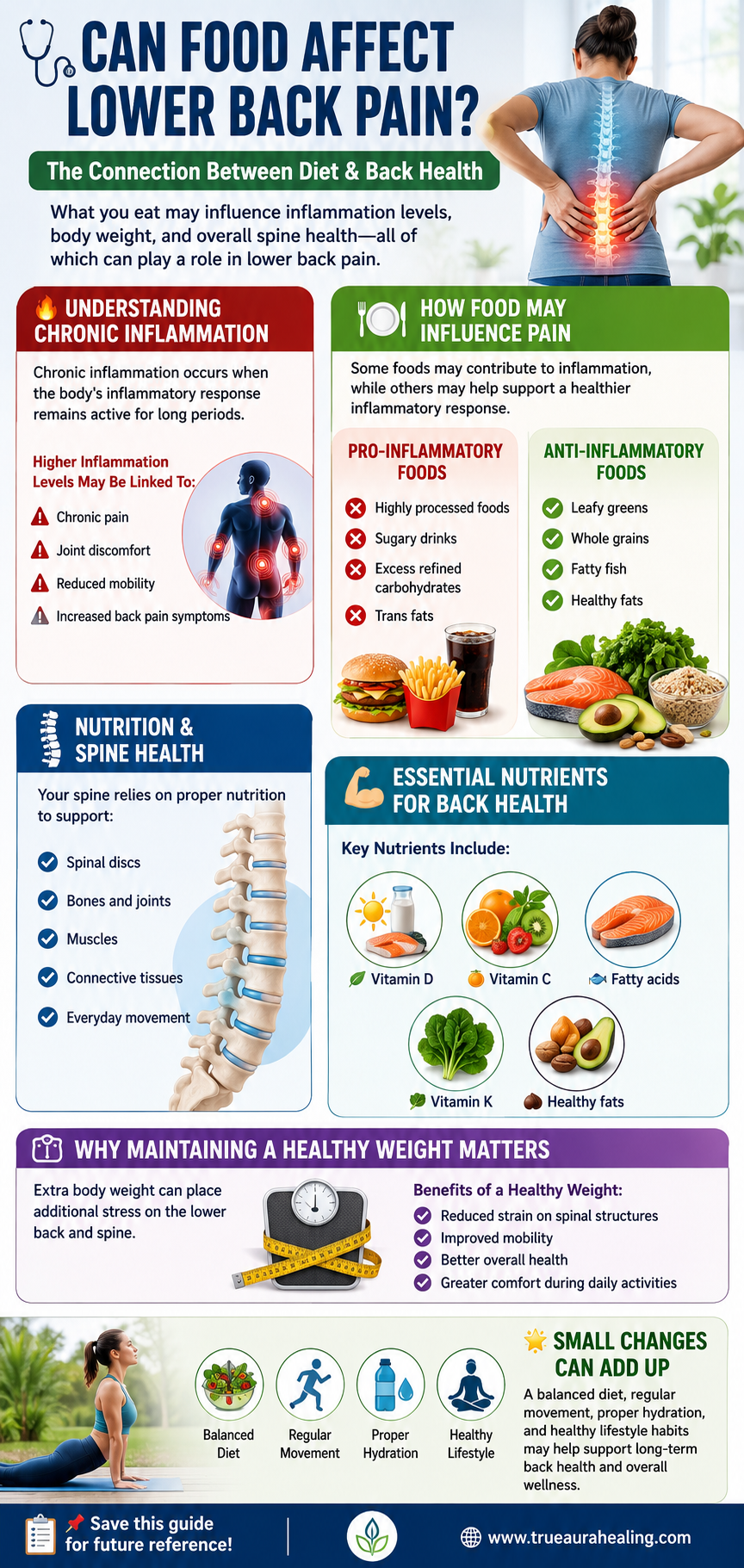
Discover how nutrition may influence lower back pain, chronic inflammation, and overall spine health. This infographic explains the connection between diet and back pain, highlights pro-inflammatory and anti-inflammatory foods, and explores how maintaining a healthy weight and consuming essential nutrients may support long-term back health and mobility.
What to Eat Instead
An anti-inflammatory diet may help support overall health and could play a role in managing chronic pain, including lower back discomfort. Foods rich in anti-inflammatory properties, such as fatty fish, leafy green vegetables, whole grains, healthy fats, and lean proteins, provide important nutrients that support spine health and healthy body function. Fatty fish and fish oil contain beneficial fatty acids that may support joint health, while leafy greens provide vitamins such as vitamin K and vitamin C that contribute to bone health. Whole grains can help maintain healthy blood sugar levels, and healthy fats from foods like extra virgin olive oil, chia seeds, and sesame seeds support a well-balanced diet. Staying hydrated with water, green tea, and herbal teas may further support overall wellness and a healthy inflammatory response.
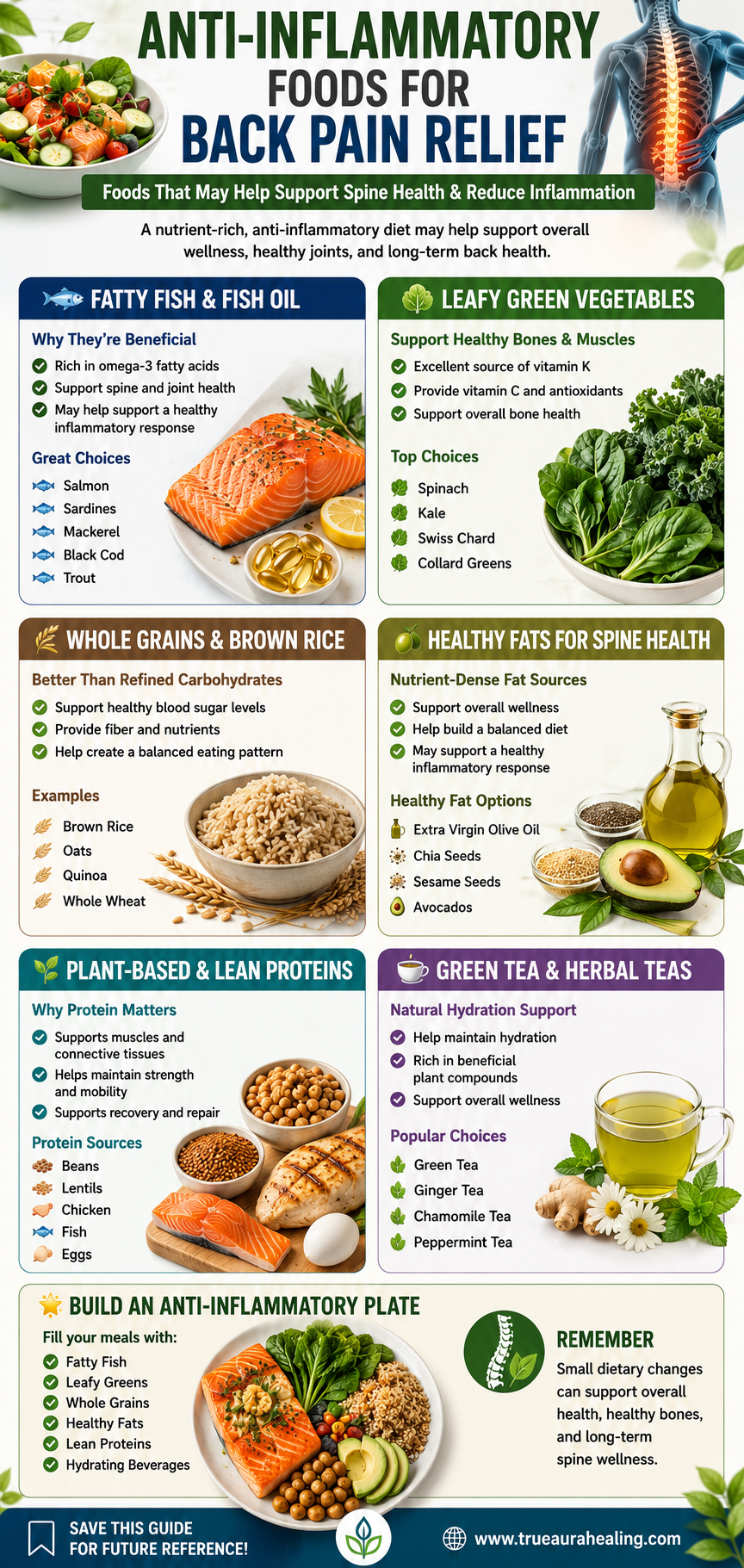
Learn which anti-inflammatory foods may help support spine health, joint function, and overall wellness. This infographic features fatty fish, leafy greens, whole grains, healthy fats, lean proteins, and herbal teas that may help support a healthy inflammatory response and long-term back health naturally.
Nutrients That Support Back Health
Certain nutrients play an important role in supporting back health, mobility, and overall wellness. Vitamin D helps maintain bone mass and supports bone health, which may help reduce the risk of fractures and other skeletal concerns. Vitamin C supports connective tissues, collagen production, and normal recovery processes, while vitamin E provides antioxidant support that contributes to overall health. Fatty acids found in foods such as fatty fish, nuts, and seeds may help support healthy spinal discs, joint function, and everyday movement.
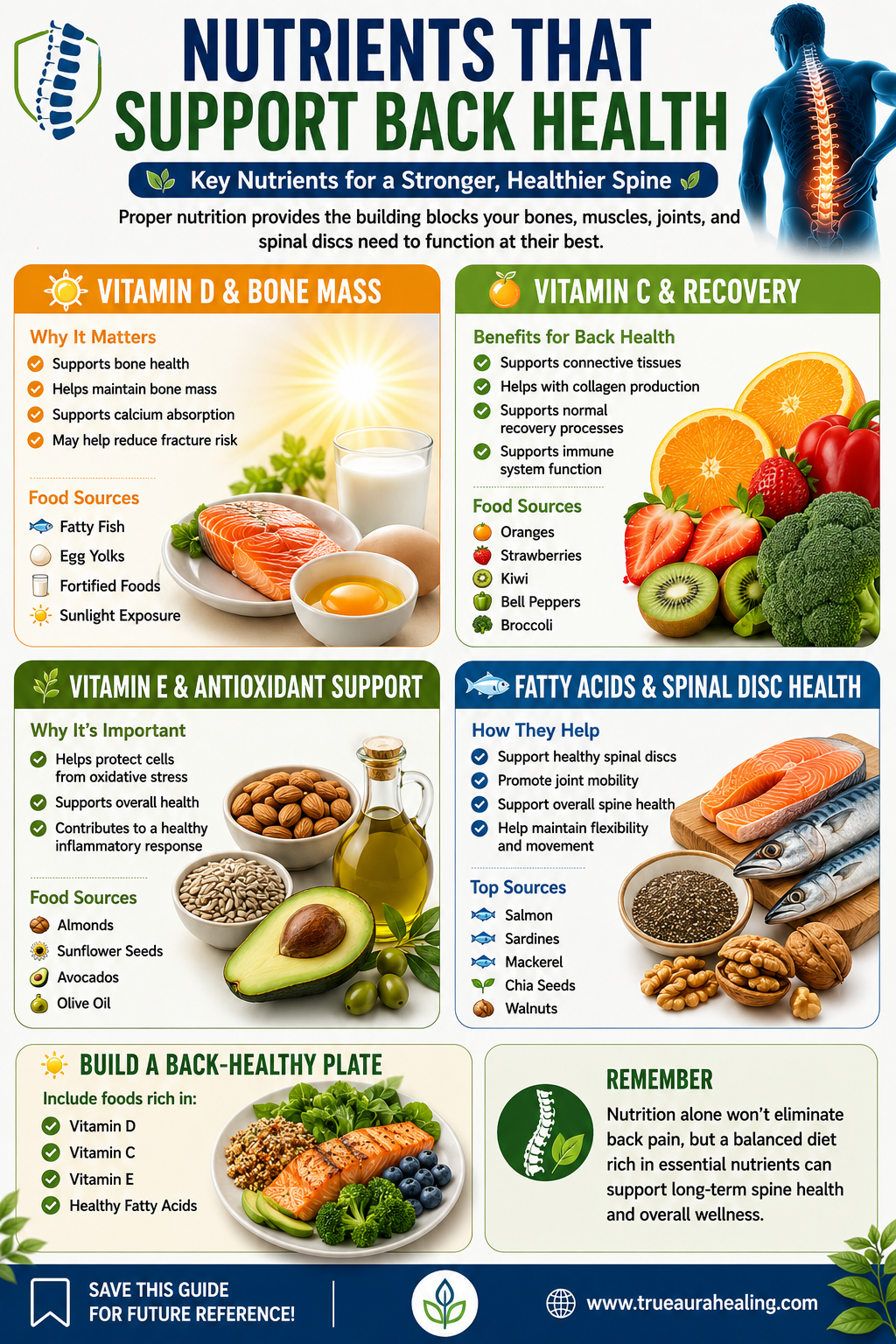
Explore the essential nutrients that support a strong and healthy spine. This infographic highlights the benefits of vitamin D, vitamin C, vitamin E, and healthy fatty acids for bone health, connective tissue support, spinal disc health, mobility, and overall back wellness.
Lifestyle Habits That May Help Reduce Back Pain
Lifestyle habits can play an important role in supporting back health and reducing the risk of chronic discomfort. Maintaining a healthy weight may help decrease stress on the spine and joints, while regular exercise and physical activity can improve strength, flexibility, and overall mobility. Proper hydration is also important because spinal discs rely on water to help maintain their structure and function. For many individuals, combining a nutrient-rich diet with physical therapy, movement, and other healthy habits may create a more comprehensive approach to pain management. Taking a holistic view of health can support both quality of life and long-term spine wellness.
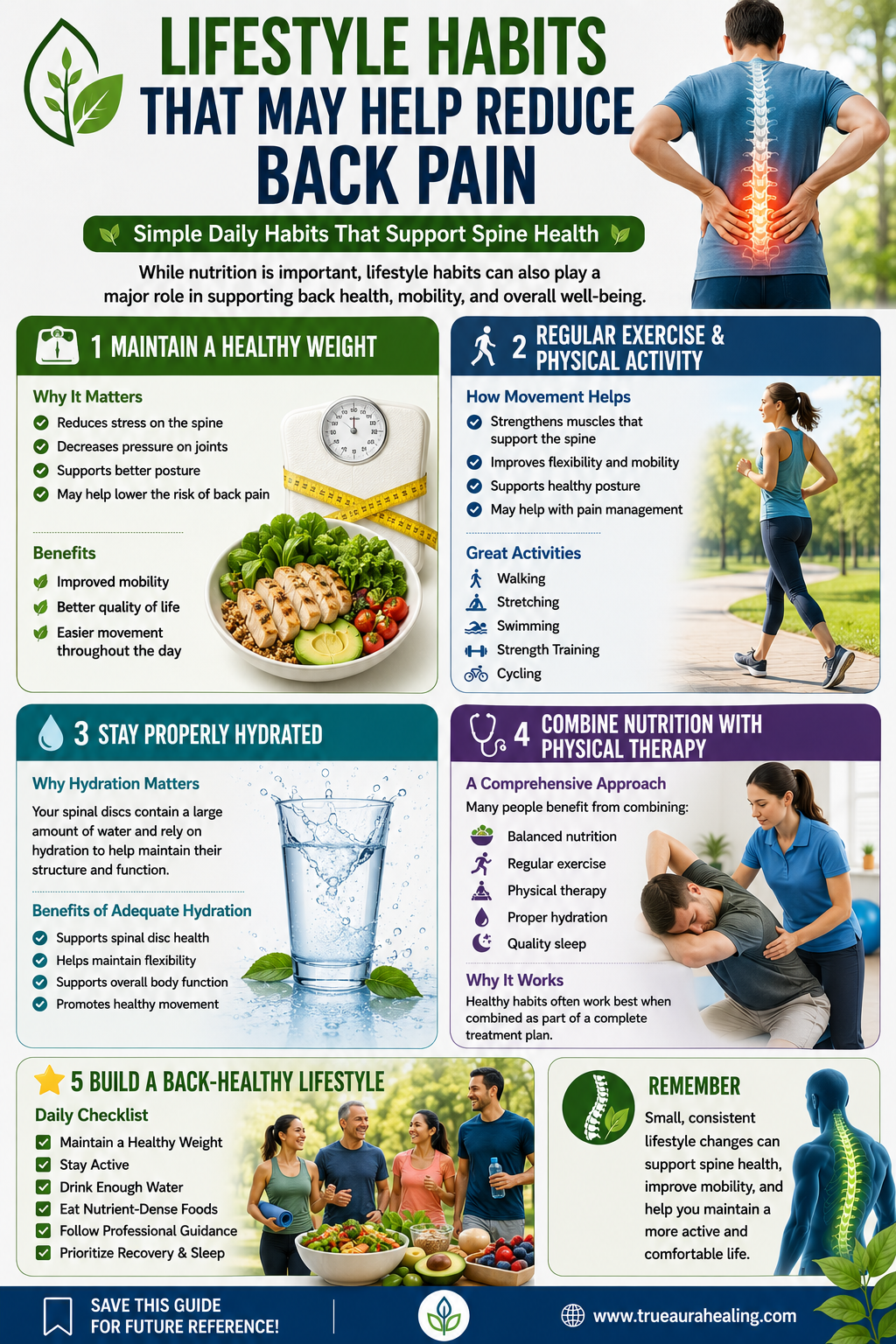
Discover simple lifestyle habits that may help support spine health and reduce back pain. Learn how maintaining a healthy weight, exercising regularly, staying hydrated, prioritizing sleep, and combining nutrition with physical therapy can contribute to improved mobility, pain management, and overall wellness.
When Lower Back Pain May Require Medical Attention
While many cases of lower back pain can be managed through lifestyle changes and supportive care, some situations may require medical attention. Conditions such as a herniated disc, degenerative disc disease, rheumatoid arthritis, or a significant muscle strain can contribute to persistent or severe back pain that may not improve on its own. A healthcare professional can help identify the underlying cause of symptoms and develop an individualized treatment plan based on your specific needs. Understanding the potential benefits and possible side effects of treatment options can help you make informed decisions about your long-term health and recovery.
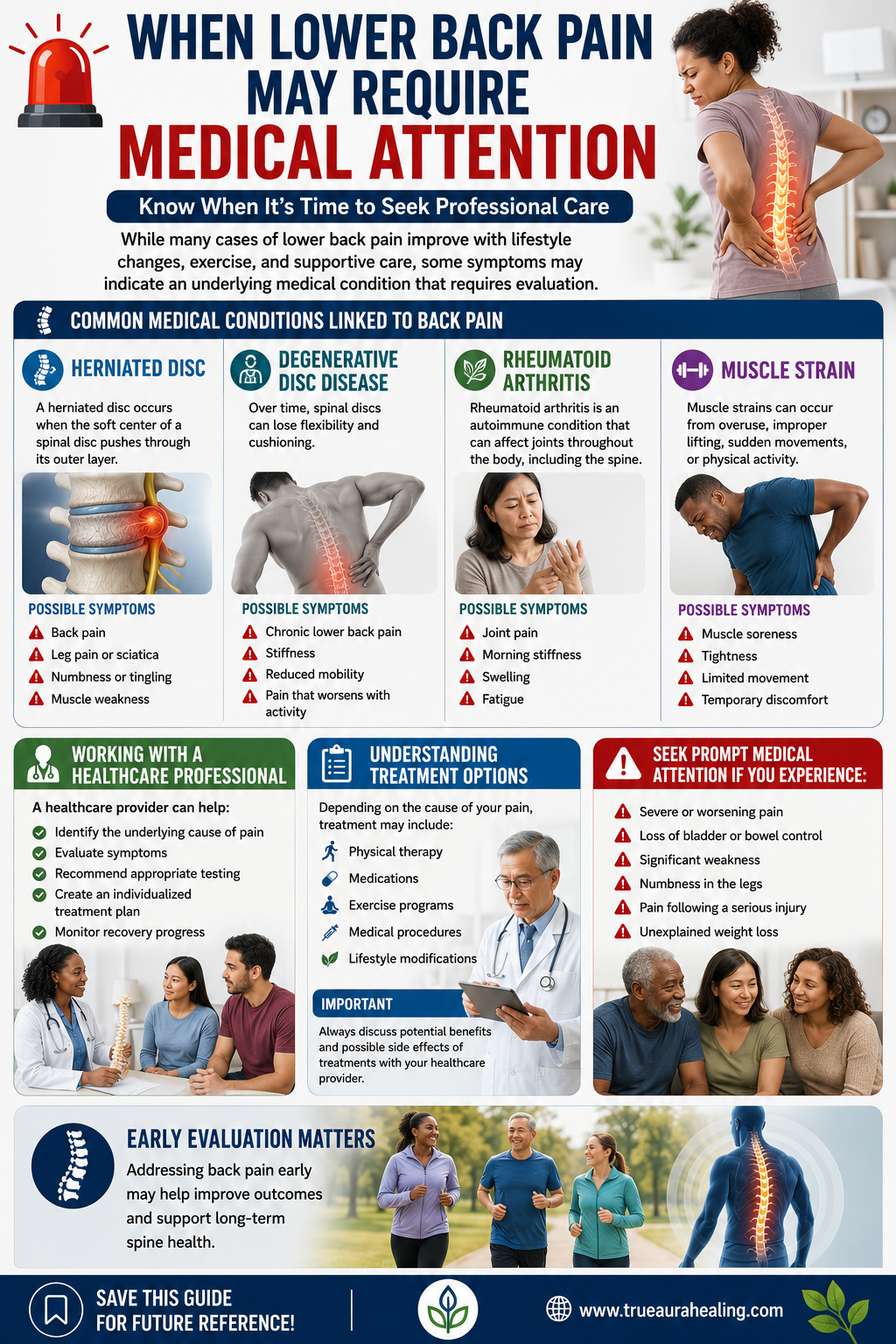
Learn the warning signs that indicate lower back pain may require medical evaluation. This infographic covers common conditions such as herniated discs, degenerative disc disease, rheumatoid arthritis, and muscle strains, while explaining when to seek medical care and what treatment options may be available.
Small dietary changes can make a meaningful difference when it comes to supporting back health and overall well-being. Limiting pro-inflammatory foods while focusing on nutrient-dense, anti-inflammatory foods may help support a healthier inflammatory response and contribute to long-term spine health. Combined with regular movement, proper hydration, and other healthy lifestyle habits, good nutrition can play an important role in improving quality of life. Creating sustainable habits rather than seeking quick fixes may provide the best foundation for managing lower back pain and supporting long-term wellness.