

Everything You Need to Grow Pumpkins From Seed to Harvest
Growing pumpkins is one of the most rewarding experiences for home gardeners, offering the opportunity to watch a tiny seed transform into a vibrant, mature pumpkin over the course of a growing season. From germination and the appearance of the first true leaves to flowering, fruit development, and harvest, each stage of pumpkin plant growth plays an important role in the plant's success. Understanding the pumpkin life cycle can help you provide the right care at the right time and improve your chances of a healthy, productive harvest. Whether you're growing pumpkins for cooking, decorating, or carving, knowing what to expect from seed to harvest can make the process both easier and more enjoyable.
Choosing the Right Pumpkin Variety
Choosing the right pumpkin variety is one of the first steps toward a successful harvest. Some gardeners prefer pie pumpkins for baking, while others grow small pumpkins for decoration, large pumpkins for display, or giant pumpkin varieties for competitions. Many popular carving pumpkins, including traditional jack o’ lanterns, belong to the species Cucurbita pepo, which also includes several types of squash. Understanding the differences between pumpkin varieties can help you select plants that match your gardening space, growing conditions, and intended use. Whether you're growing pumpkins for cooking, decorating, or fall festivities, selecting the right variety can make the growing process more rewarding.
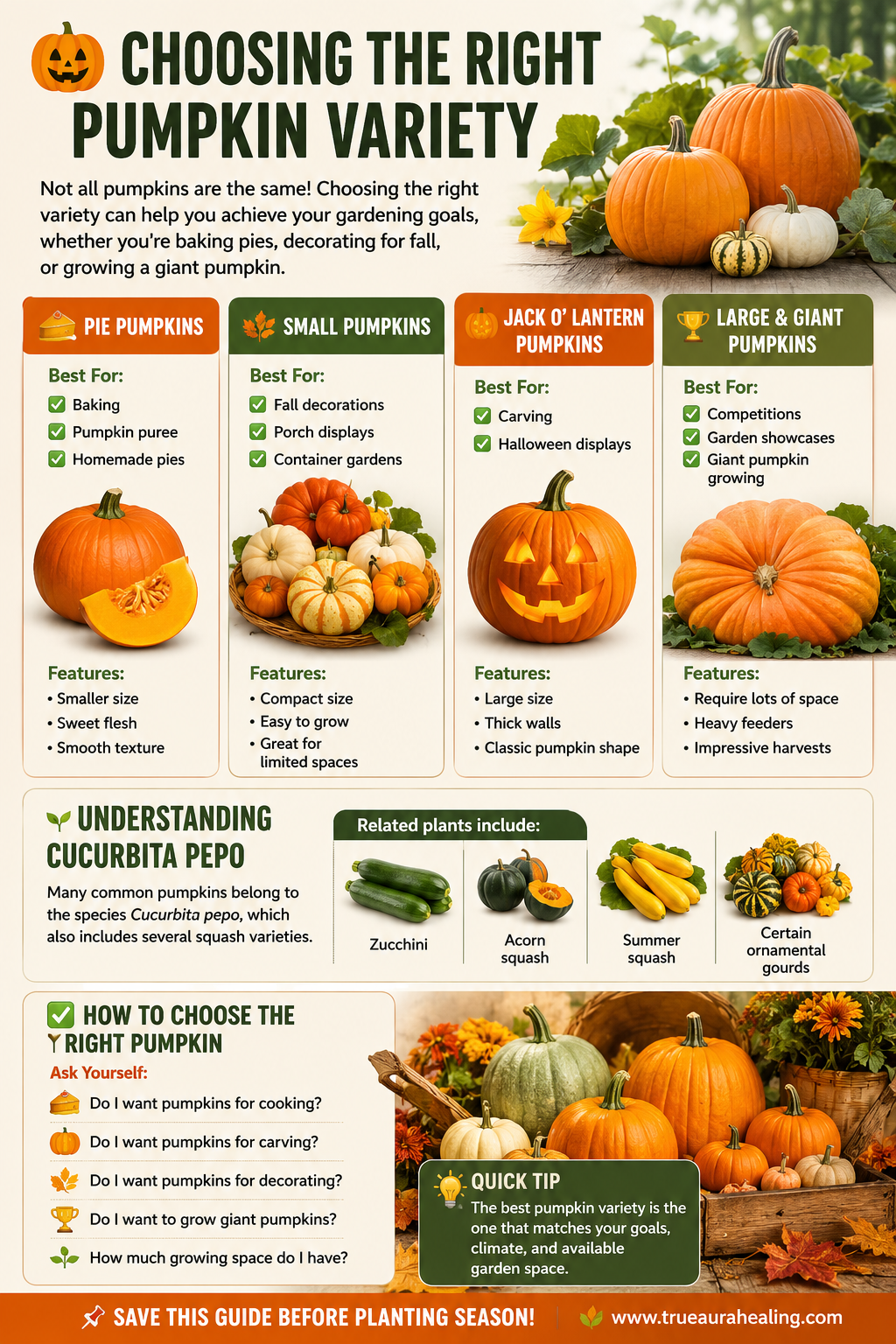
Learn how to choose the best pumpkin variety for your garden with this beginner-friendly guide. Compare pie pumpkins, small pumpkins, jack o' lantern pumpkins, and giant pumpkin varieties to determine which type is best for baking, carving, decorating, or growing prize-winning pumpkins. Discover the differences between pumpkin species, including Cucurbita pepo, and find the perfect pumpkin for your gardening goals.
When to Plant Pumpkin Seeds
Timing is an important factor when growing pumpkins, as these plants require a long growing season to reach maturity. In many regions, pumpkin seeds are commonly planted in late May or early June after the danger of frost has passed and the soil has warmed. Soil temperature plays a key role in successful germination, with pumpkin seeds sprouting best in warm, consistently moist soil. Planting too early in cold conditions can slow growth and reduce germination rates. By waiting for the right soil temperature and weather conditions, gardeners can give their pumpkin plants the best possible start.
Preparing the Perfect Pumpkin Growing Area
Creating the right growing environment can make a significant difference in the health and productivity of your pumpkin plants. Pumpkins thrive in full sun and need plenty of space for their vines to spread as they grow throughout the season. Healthy garden beds should contain fertile soil rich in organic matter, which helps improve nutrient availability, moisture retention, and overall soil structure. Good drainage is equally important, as overly wet soil can increase the risk of disease and root problems. To support steady growth and fruit development, pumpkins generally require about an inch of water per week and benefit from consistent soil moisture throughout the growing season.
Pumpkin Seeds and Germination
Growing healthy pumpkins starts with selecting high-quality seeds that are well-suited to your climate and gardening goals. Pumpkin seeds should be planted at the recommended depth and spacing to give developing roots and vines plenty of room to grow. During the first stage of growth, seeds absorb moisture and begin the germination process, allowing the root system to establish beneath the soil. Within a few days to weeks, pumpkin seedlings emerge with small leaves and sturdy stems that signal healthy development. Protecting young plants from pests, extreme weather, and competition from weeds can help them grow into strong, productive pumpkin vines.
Understanding Pumpkin Plant Stages
Understanding the pumpkin life cycle can help gardeners provide the right care at each stage of growth. The process begins with a seed that germinates and develops its first true leaves, which are different from the small seed leaves that appear first. As the plant matures, green leaves and pumpkin vines expand rapidly, followed by the appearance of large yellow flowers. Female flowers can be identified by the small pumpkin-like nub located behind the bloom, which develops into fruit after successful pollination. Over time, baby pumpkins grow larger and eventually mature, showing signs that they are ready for harvest.
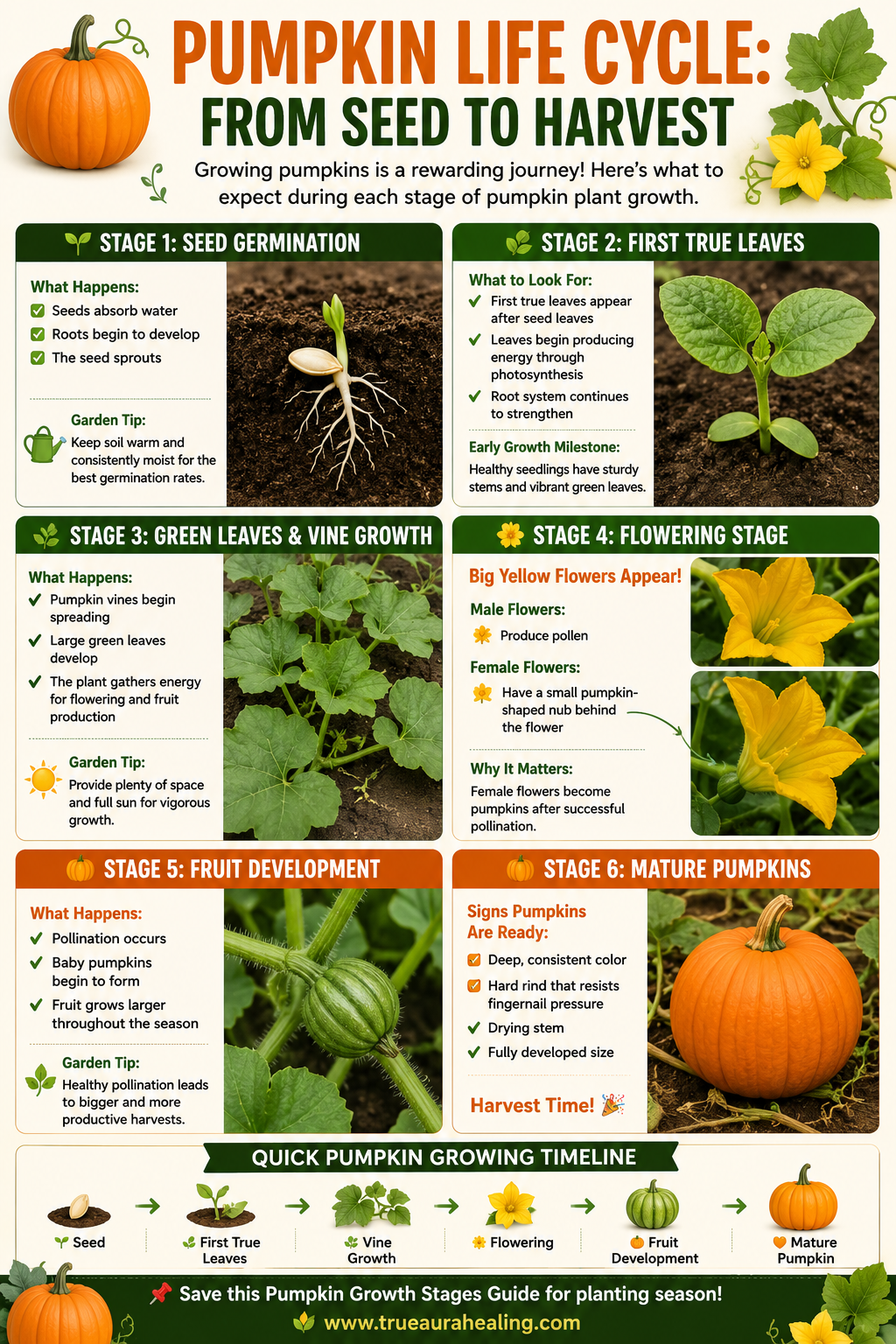
Follow the complete pumpkin life cycle from seed germination to harvest with this educational gardening infographic. Learn about pumpkin plant growth stages, including first true leaves, vine development, flowering, pollination, fruit formation, and mature pumpkins. Perfect for beginner gardeners looking to understand how pumpkins grow from seed to harvest.
Common Pumpkin Problems and Solutions
Pumpkin plants can face several challenges throughout the growing season, including fungal diseases and insect pests that may reduce plant health and harvest yields. Powdery mildew is one of the most common pumpkin diseases and often appears as a white, powdery coating on leaves, especially during periods of high humidity and poor air circulation. Other fungal diseases can develop when plants remain wet for extended periods or are grown in overcrowded conditions. Common pests such as cucumber beetles and vine borers can damage leaves, stems, and developing fruit if left unmanaged. Preventive measures like row covers, good air circulation, resistant varieties, and occasional insecticidal soap applications can help protect pumpkin plants naturally.
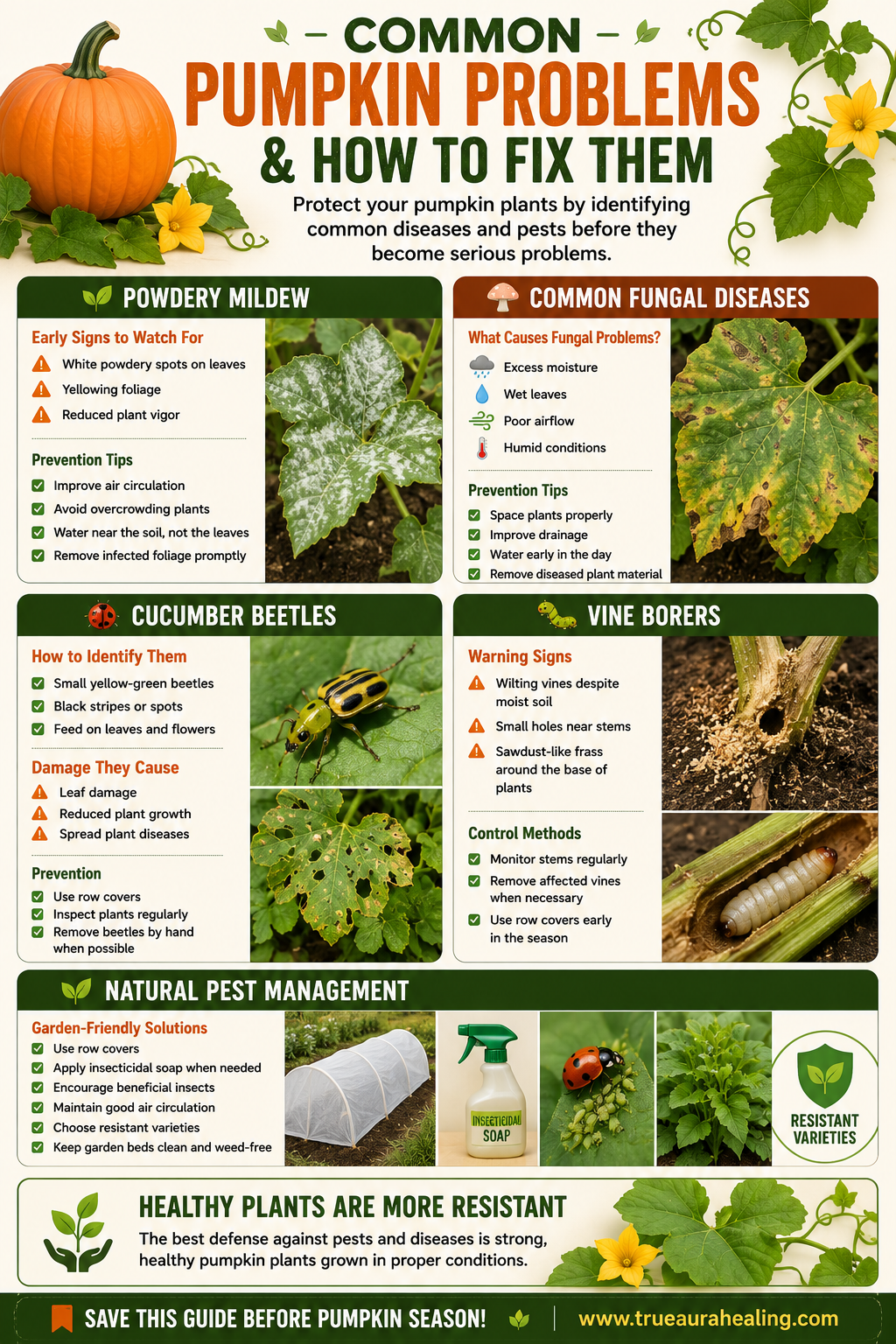
Protect your pumpkin plants with this guide to common pumpkin diseases and pests. Learn how to identify powdery mildew, fungal diseases, cucumber beetles, and vine borers while discovering natural pest management strategies and disease prevention techniques. Ideal for gardeners looking to grow healthier pumpkins and improve harvest success.
Feeding Pumpkin Plants for Better Growth
Pumpkins are often considered heavy feeders because they require a steady supply of nutrients to support rapid vine growth, large leaves, and developing fruit throughout the growing season. As the plants mature, their nutrient needs increase, making fertile soil and regular feeding important for healthy development. Providing adequate nutrients helps produce strong pumpkin vines that can support larger, healthier pumpkins. Consistent watering, healthy soil, and proper nutrition work together to encourage vigorous growth and successful fruit development from planting through harvest.
Harvest Time: Knowing When Pumpkins Are Ready
Knowing when to harvest pumpkins is essential for maximizing their quality and storage life. Mature pumpkins typically develop their final color, have hard rinds that resist fingernail pressure, and feature stems that begin to dry and toughen. When harvesting, use a sharp knife or pruning shears and leave several inches of stem attached to help prevent premature decay. After harvest, pumpkins can be cured in a warm, dry location for a short period before being moved to a cool, dry place for storage. Proper curing and storage practices can help extend shelf life and keep pumpkins looking their best for months.
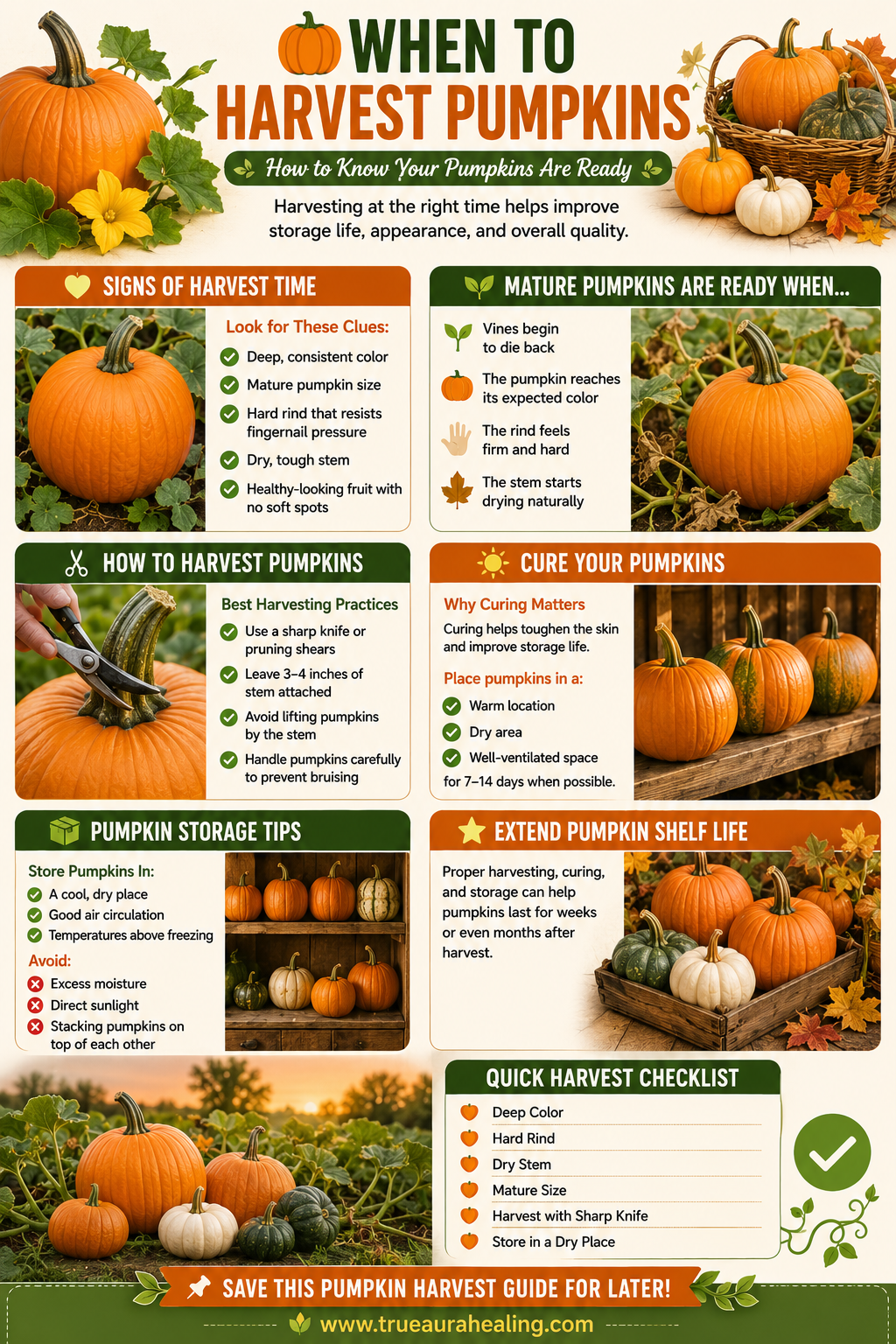
Learn how to tell when pumpkins are ready for harvest with this step-by-step pumpkin harvesting guide. Discover the signs of mature pumpkins, including color changes, hard rinds, and dry stems, plus tips for harvesting, curing, and storing pumpkins to extend shelf life. Ideal for home gardeners growing pumpkins for fall decorations, carving, or cooking.
Tips for Growing Large Pumpkins
Growing large pumpkins and giant pumpkin varieties requires careful attention to space, water, and nutrition throughout the growing season. These plants need plenty of room for their extensive vines to spread and benefit from consistent watering to support rapid growth and fruit development. Providing nutrient-rich soil and maintaining healthy growing conditions can help maximize pumpkin size and overall plant health. Avoiding common mistakes, such as overcrowding, inconsistent watering, and poor soil preparation, can greatly improve your chances of producing impressive pumpkins.
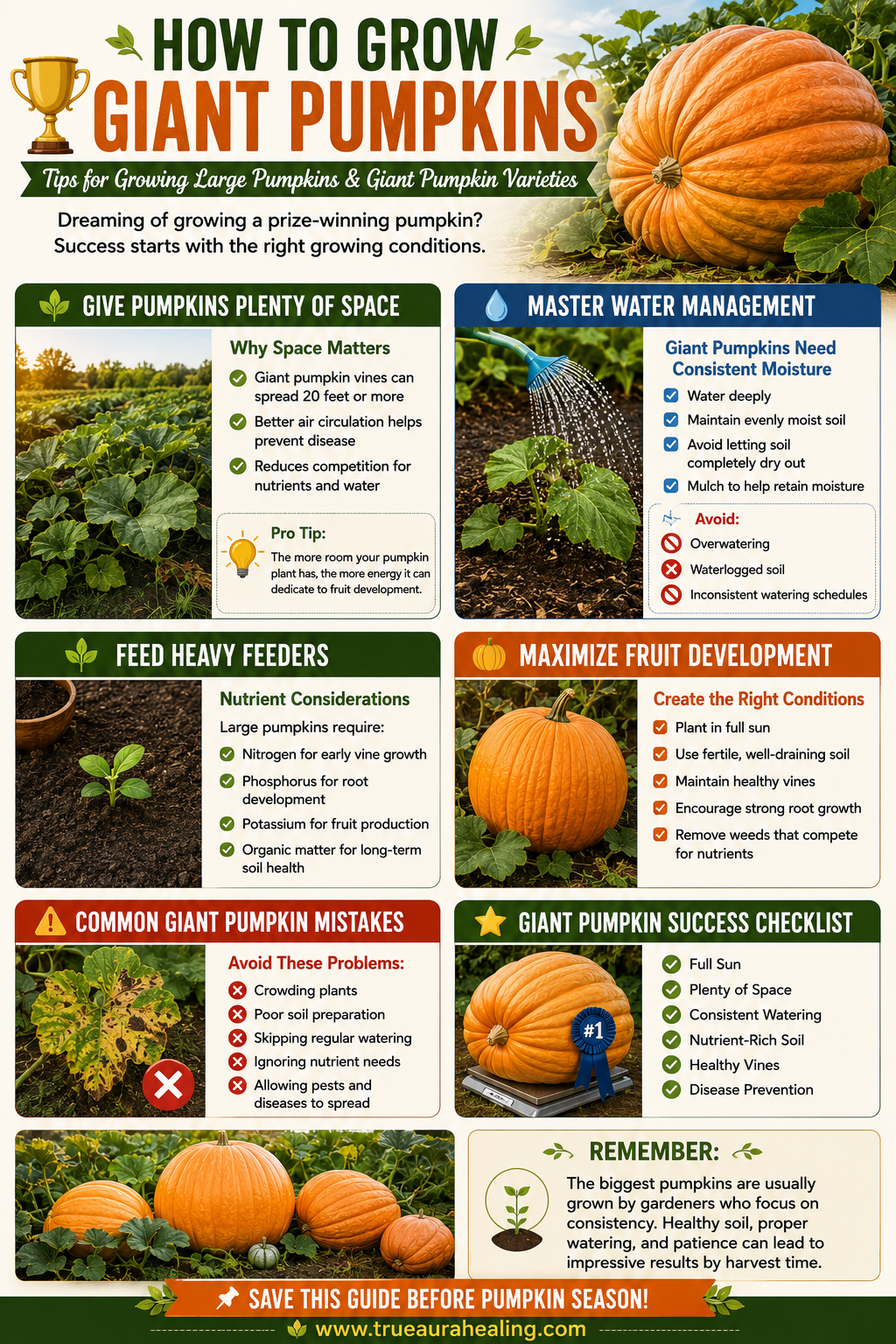
Discover expert tips for growing giant pumpkins and large pumpkin varieties. Learn how proper spacing, consistent watering, nutrient-rich soil, and disease prevention can help maximize pumpkin size and fruit development. This giant pumpkin growing guide is perfect for gardeners hoping to grow competition-worthy pumpkins.
One of the most enjoyable parts of growing pumpkins is deciding how to use your harvest. Large carving varieties are ideal for creating traditional jack o’ lanterns, while pie pumpkins are prized for their sweet flesh and are commonly used in soups, breads, pies, and other baked goods. From the first seed planted in warm soil to the final harvest, the pumpkin life cycle offers gardeners a rewarding opportunity to learn and grow throughout the season. Success comes from providing full sun, fertile soil, consistent watering, and proper care during each stage of development. Whether you're a first-time gardener or an experienced grower, growing pumpkins can be a fun and satisfying way to enjoy a bountiful fall harvest.