

Herbs and supplements that support hormone balancing
Hormonal imbalances have become increasingly common, affecting everything from energy levels and mood to weight, reproductive health, and overall well-being. The endocrine system plays an important role in keeping hormones balanced, but factors like stress, poor sleep, and modern lifestyle habits can sometimes disrupt this delicate process. Because hormones influence so many aspects of health, many women look for natural ways to support their bodies and restore balance. Herbal medicine and herbal supplements have been used for generations and may offer gentle support alongside healthy lifestyle choices.
What Causes Hormonal Imbalances?
The endocrine system is a network of glands that produces hormones, which act as chemical messengers throughout the body. These hormones help regulate important functions such as metabolism, mood, reproduction, sleep, and energy levels. The pituitary gland, often called the "master gland," helps control the production of hormones like estrogen, progesterone, cortisol, and follicle-stimulating hormone (FSH). When hormone levels become disrupted, symptoms such as fatigue, mood swings, weight gain, irregular cycles, and low libido may occur. Factors like chronic stress, blood sugar imbalances, poor nutrition, and certain lifestyle habits can all contribute to hormonal imbalances over time.
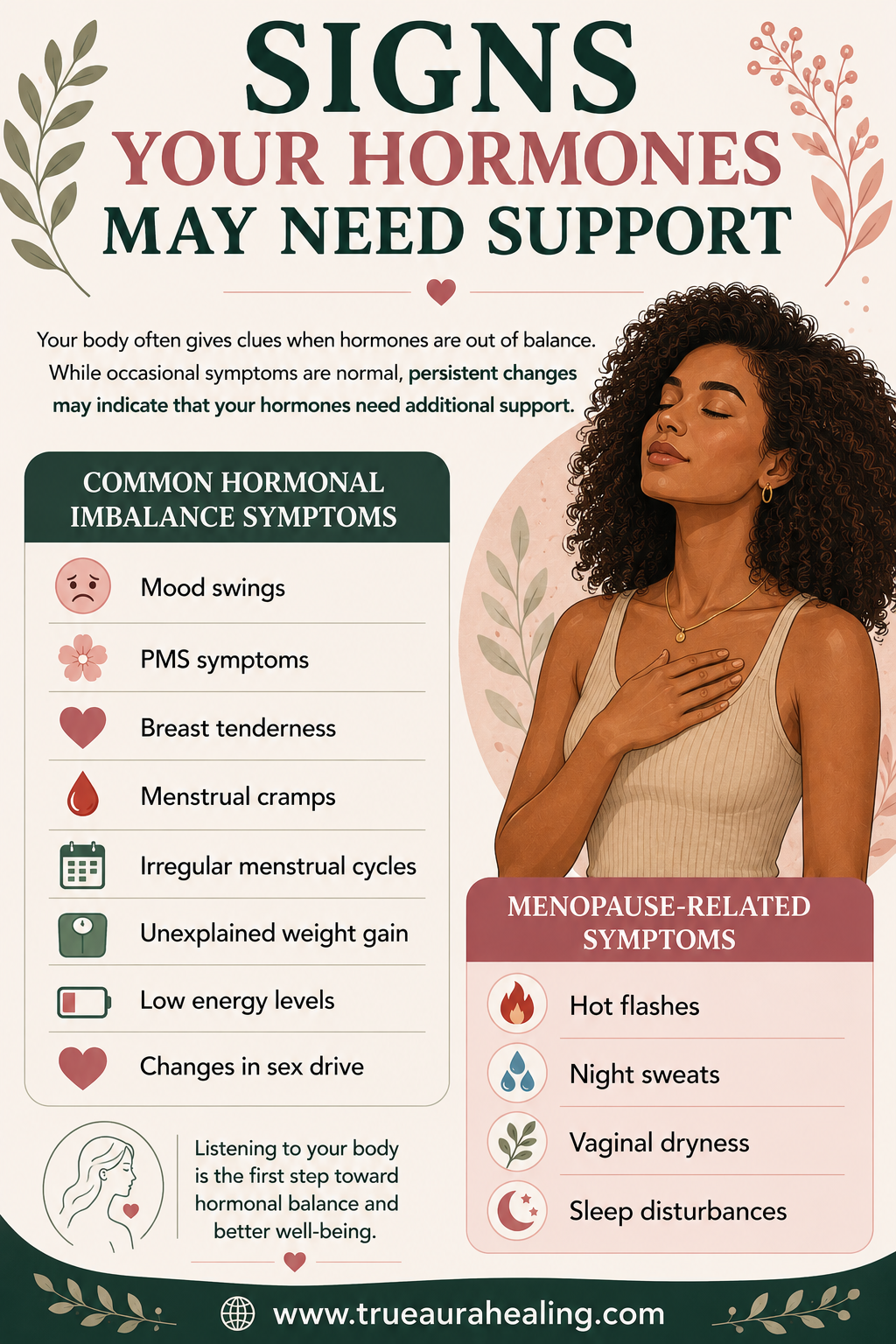
Wondering if your hormones are out of balance? This hormone imbalance symptoms infographic covers common signs such as mood swings, PMS symptoms, irregular menstrual cycles, weight gain, low energy levels, breast tenderness, hot flashes, night sweats, and sleep disturbances. Learn how to recognize potential hormone-related symptoms and support your overall wellness naturally.
Signs Your Hormones May Need Support
Hormonal imbalances can show up in many different ways, and the symptoms often vary from person to person. Common signs may include mood swings, PMS symptoms, breast tenderness, menstrual cramps, irregular menstrual cycles, weight gain, low energy levels, and changes in sex drive. During perimenopause and menopause, women may also experience hot flashes, night sweats, vaginal dryness, and other menopausal symptoms. While these symptoms can have multiple causes, persistent changes may be a sign that your hormones need additional support. Paying attention to these signals can help you take proactive steps toward improving your overall health and well-being.
Best Herbs and Supplements for Hormone Balancing
Several herbs and supplements have been traditionally used to support hormone balance and women's health. Vitex agnus-castus may help support healthy progesterone levels and is often used for PMS symptoms and irregular menstrual cycles, while black cohosh and red clover are commonly used to help manage menopausal symptoms such as hot flashes and night sweats. Other herbs, including dong quai, maca root, ashwagandha, evening primrose oil, licorice root, saw palmetto, and nigella sativa, may support areas such as stress management, reproductive health, energy levels, and metabolic function. While many of these remedies have a long history of traditional use and growing scientific interest, results can vary, and it is important to consider potential side effects and interactions before starting any new supplement.
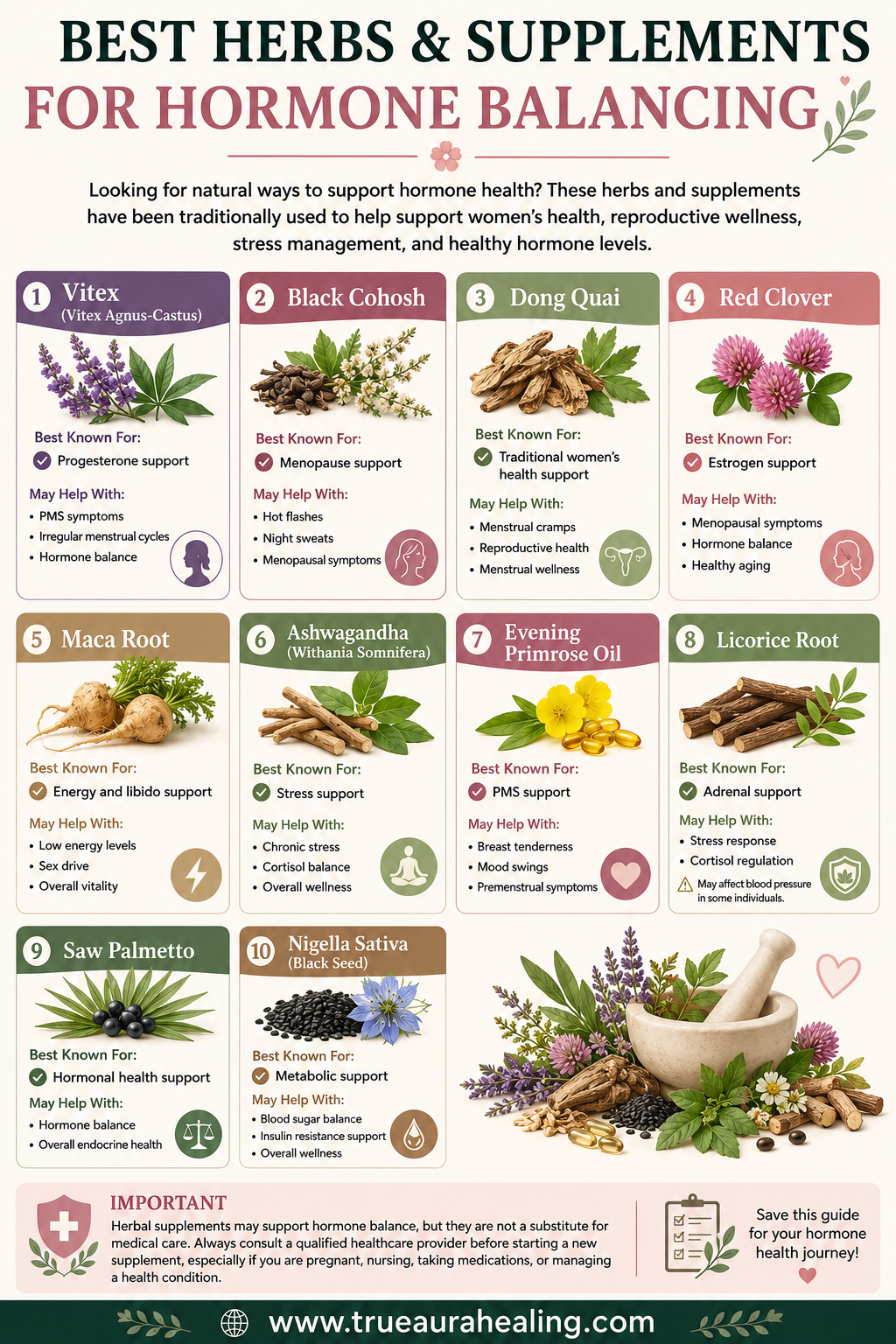
Explore the best herbs and supplements for hormone balancing with this comprehensive wellness infographic. Learn about Vitex, Black Cohosh, Dong Quai, Red Clover, Maca Root, Ashwagandha, Evening Primrose Oil, Licorice Root, Saw Palmetto, and Nigella Sativa. Discover how these natural remedies may support hormone health, menopause symptoms, reproductive wellness, stress management, and overall well-being.
Nutritional Support for Hormone Balance
Nutrition plays a key role in supporting healthy hormone balance and overall well-being. Healthy fatty acids provide essential building blocks for hormone production, while vitamin C supports the body's stress response and helps maintain overall health. A balanced diet that includes plenty of whole foods, lean proteins, healthy fats, and fiber can help promote stable hormone levels. Cruciferous vegetables such as broccoli, cauliflower, Brussels sprouts, and kale may also support healthy estrogen metabolism. In addition, managing blood sugar levels through balanced meals can help reduce hormone fluctuations and support long-term endocrine health.
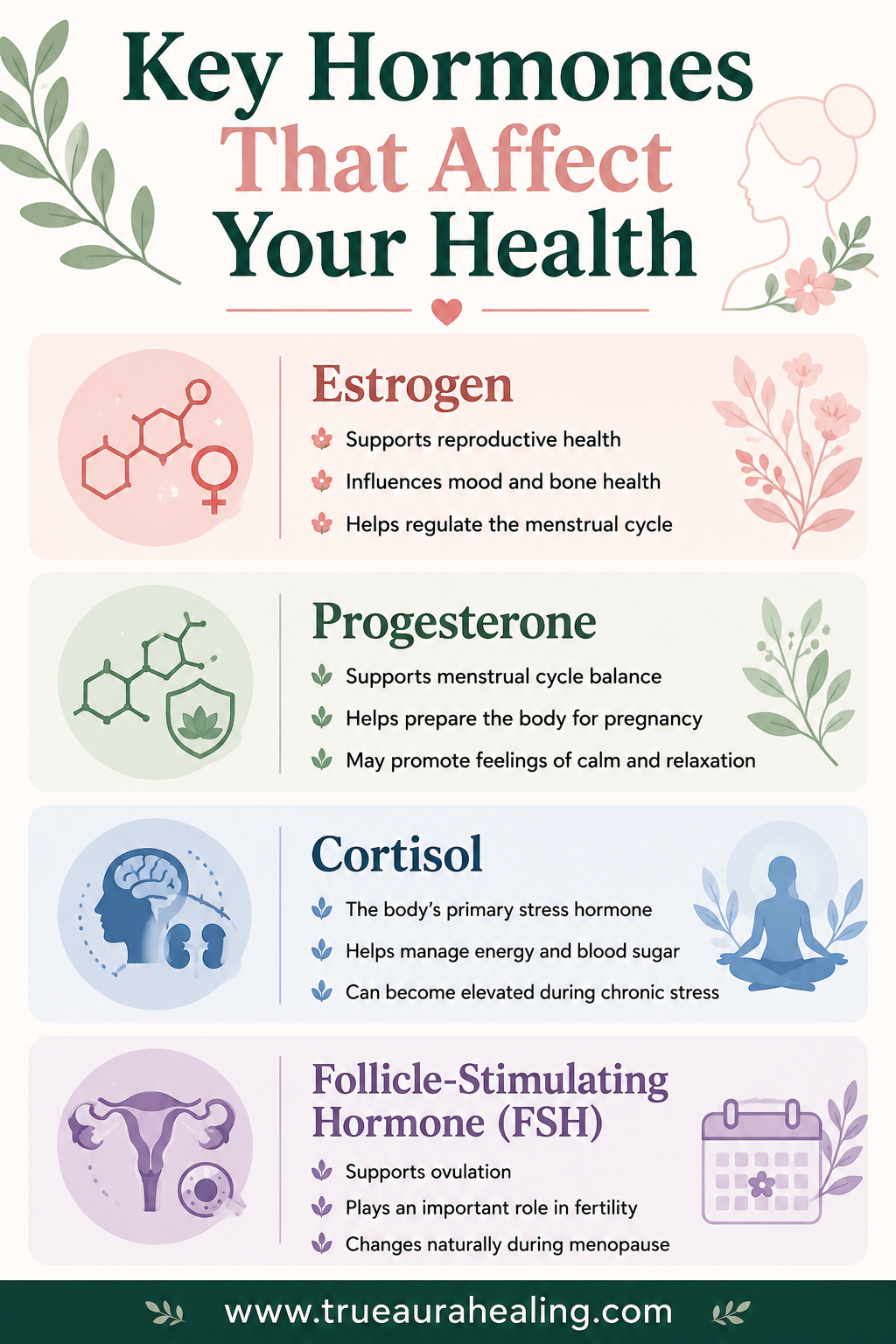
Discover the key hormones that affect your health and well-being. This educational infographic explains the roles of estrogen, progesterone, cortisol, and follicle-stimulating hormone (FSH) in reproductive health, fertility, stress management, mood, and menstrual cycle regulation. Learn how hormone levels influence daily health and why hormone balance is important for women at every stage of life.
What the Research Says
Research on herbal remedies continues to grow, with both human studies and animal studies helping scientists better understand their potential benefits and limitations. While some herbs have promising evidence supporting their use for hormone balance, more high-quality human research is often needed to confirm effectiveness and determine optimal dosages. When used appropriately, herbal remedies can be valuable tools that complement a healthy lifestyle and support overall wellness. However, herbal supplements are not risk-free and may cause side effects, especially when taken in large doses or combined with certain medications. Because some herbs can interact with blood thinners and other prescriptions, it is important to consult a healthcare provider before starting any new supplement regimen.
Creating a Hormone-Supportive Lifestyle
Supporting hormone balance involves more than simply taking supplements. Managing chronic stress through practices such as adequate sleep, mindfulness, regular movement, and relaxation techniques can help support healthy cortisol levels and overall well-being. Sustainable lifestyle changes are often more effective than quick fixes, especially when they focus on long-term habits that nourish the body. Combining a nutrient-dense diet, regular physical activity, and evidence-based herbal remedies may provide a more comprehensive approach to hormone health. Small, consistent choices made each day can have a meaningful impact on hormonal balance and overall quality of life.
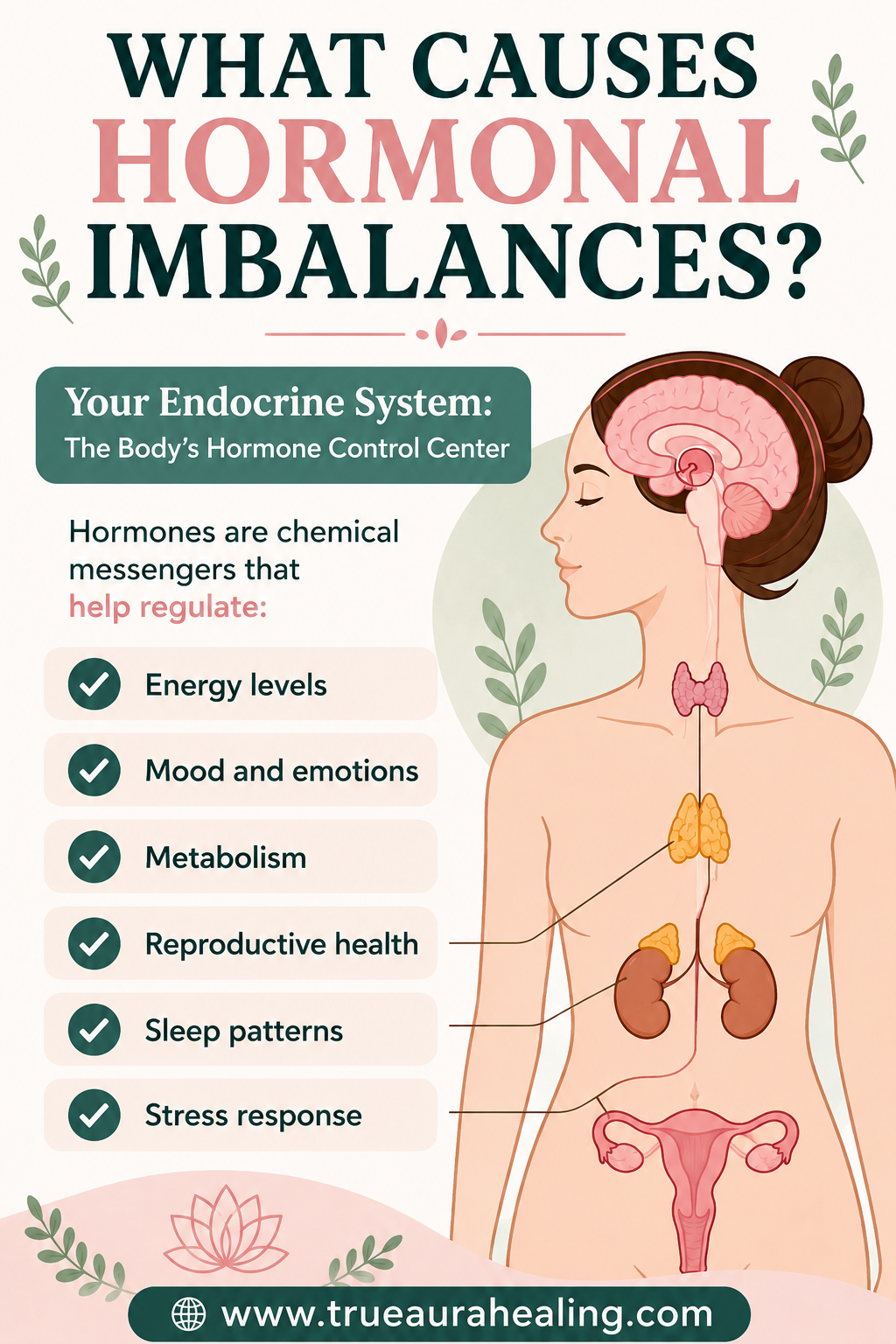
Learn what causes hormonal imbalances and how the endocrine system affects your overall health. This hormone health infographic explains how hormones regulate energy levels, mood, metabolism, reproductive health, sleep, and stress response. Discover common causes of hormone imbalance and natural ways to support healthy hormone function. Perfect for women interested in hormone balance, endocrine health, and natural wellness.
Achieving hormone balance requires a whole-body approach that addresses nutrition, stress, movement, sleep, and overall lifestyle habits. While herbal supplements may offer valuable support for women's health and reproductive health, they tend to work best when combined with healthy daily practices. Focusing on a balanced diet, effective stress management, and evidence-based herbal medicine can help create a strong foundation for long-term wellness. Every person's hormonal needs are unique, so finding a sustainable approach that works for your body is key. With patience and consistency, small changes can support healthier hormone levels and improve overall quality of life.