

Smoking Herbal Blends For Anxiety And Stress Relief
Interest in herbal smoking blends has grown as more people seek natural ways to support stress relief and calm the nervous system. Across cultures, smoking rituals using herbs have been part of ancient wellness practices and ceremonial traditions. Today, many explore herbal smoke for its sensory experience and potential calming effects rather than intoxication. This article is for educational purposes only and explores how herbal smoke may interact with the nervous system and anxiety levels when used mindfully.
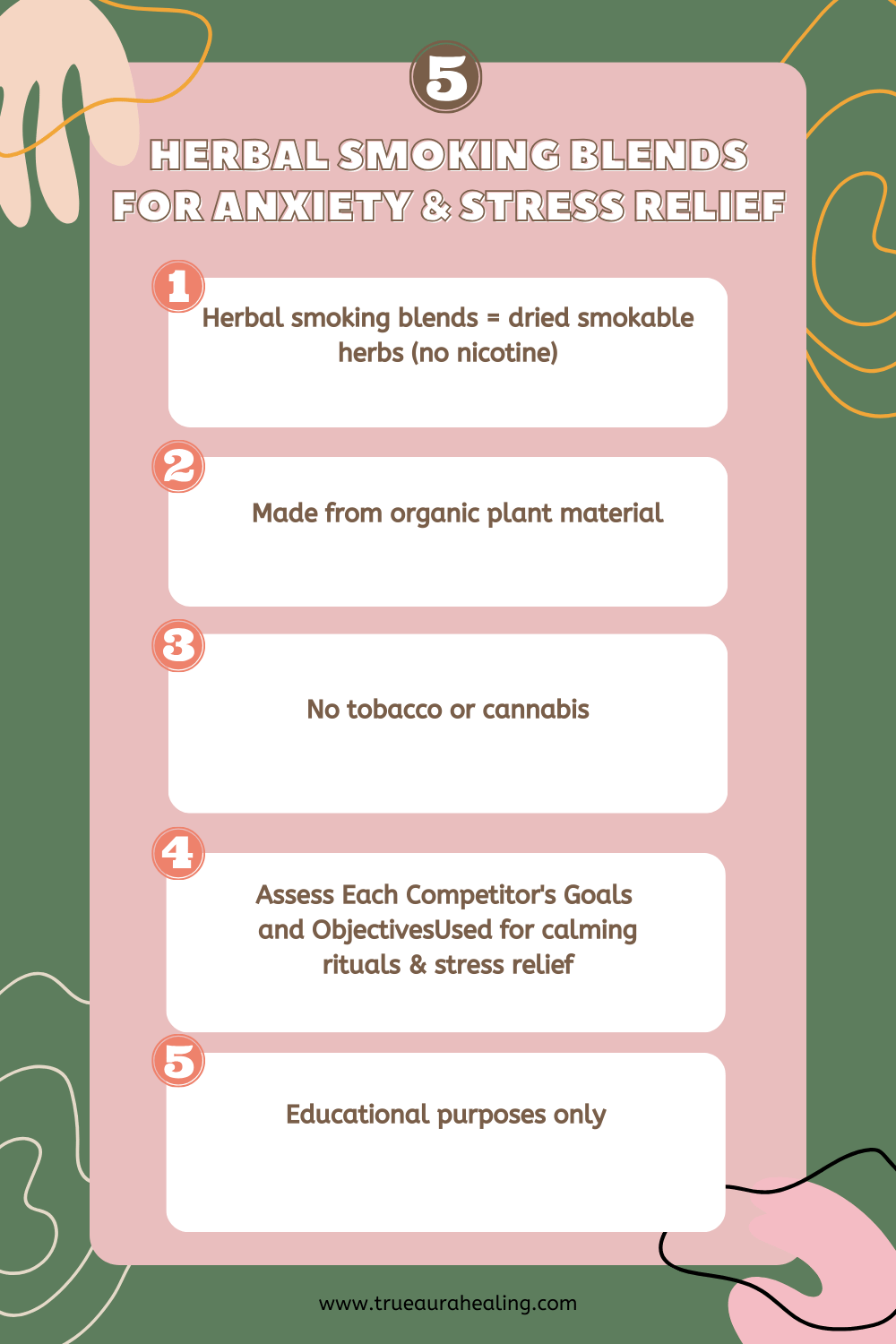
Learn what herbal smoking blends are, how they differ from tobacco, and why people use smokable herbs for relaxation.
What Are Herbal Smoking Blends?
Herbal smoking blends are mixtures of dried smokable herbs designed to be smoked without nicotine or tobacco. Unlike traditional tobacco or cannabis, these blends rely on plant material chosen for flavor, texture, and calming properties. Many blends use organic herbs and avoid harmful additives or chemicals. People often choose herbal cigarettes or smoke blends as a gentler alternative for relaxation or ritual use.
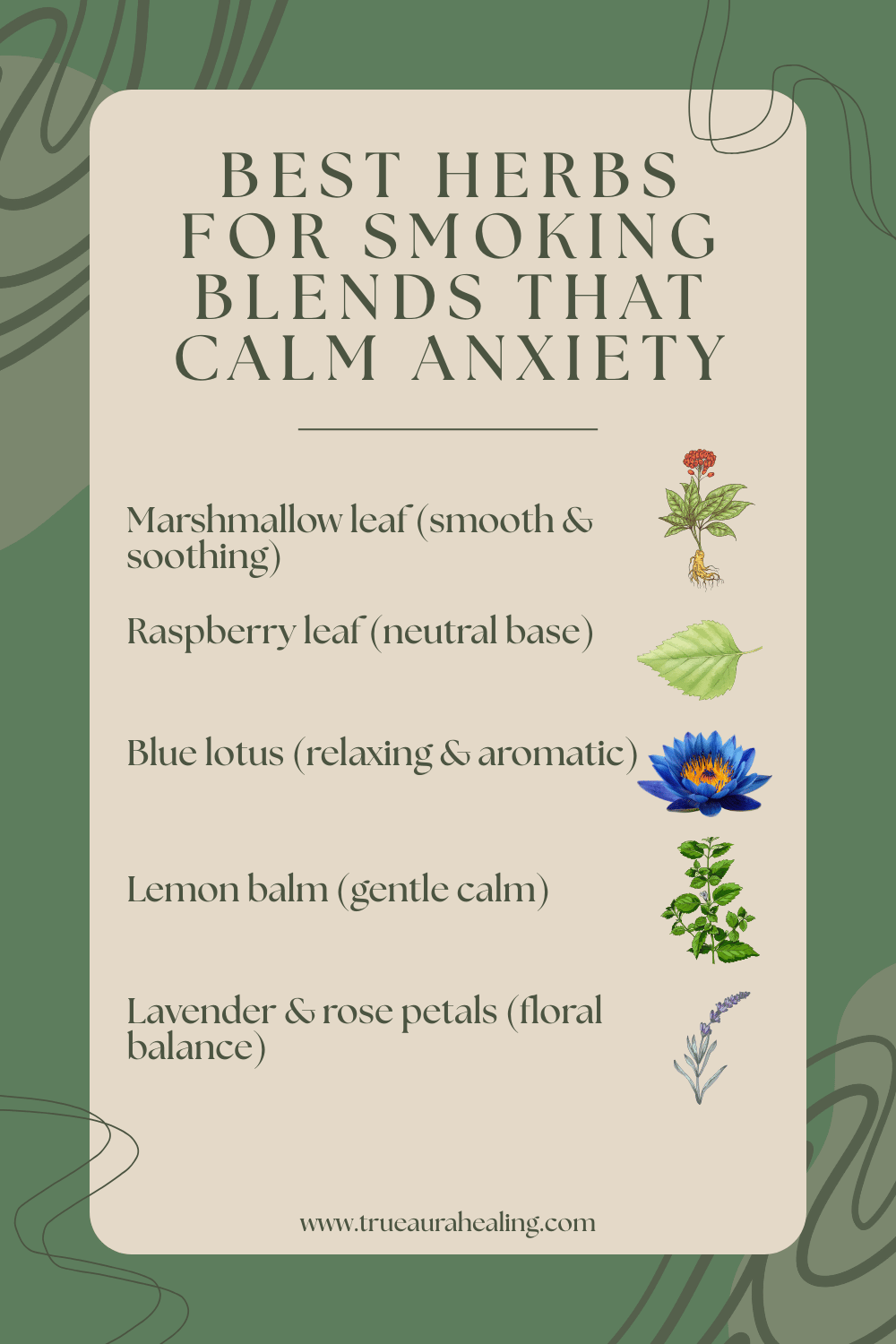
Discover the most popular herbs used in calming herbal smoking blends.
How Smoking Herbs May Affect Anxiety and Stress
When herbs are inhaled, aromatic compounds are rapidly absorbed and may influence the nervous system. Certain herbs contain compounds believed to promote calming effects and relaxation responses. Some researchers suggest these compounds may interact indirectly with GABA receptors, which help regulate stress and anxiety levels. Beyond chemistry, the ritual itself—slow breathing and intentional pauses—can reduce symptoms of anxiety.
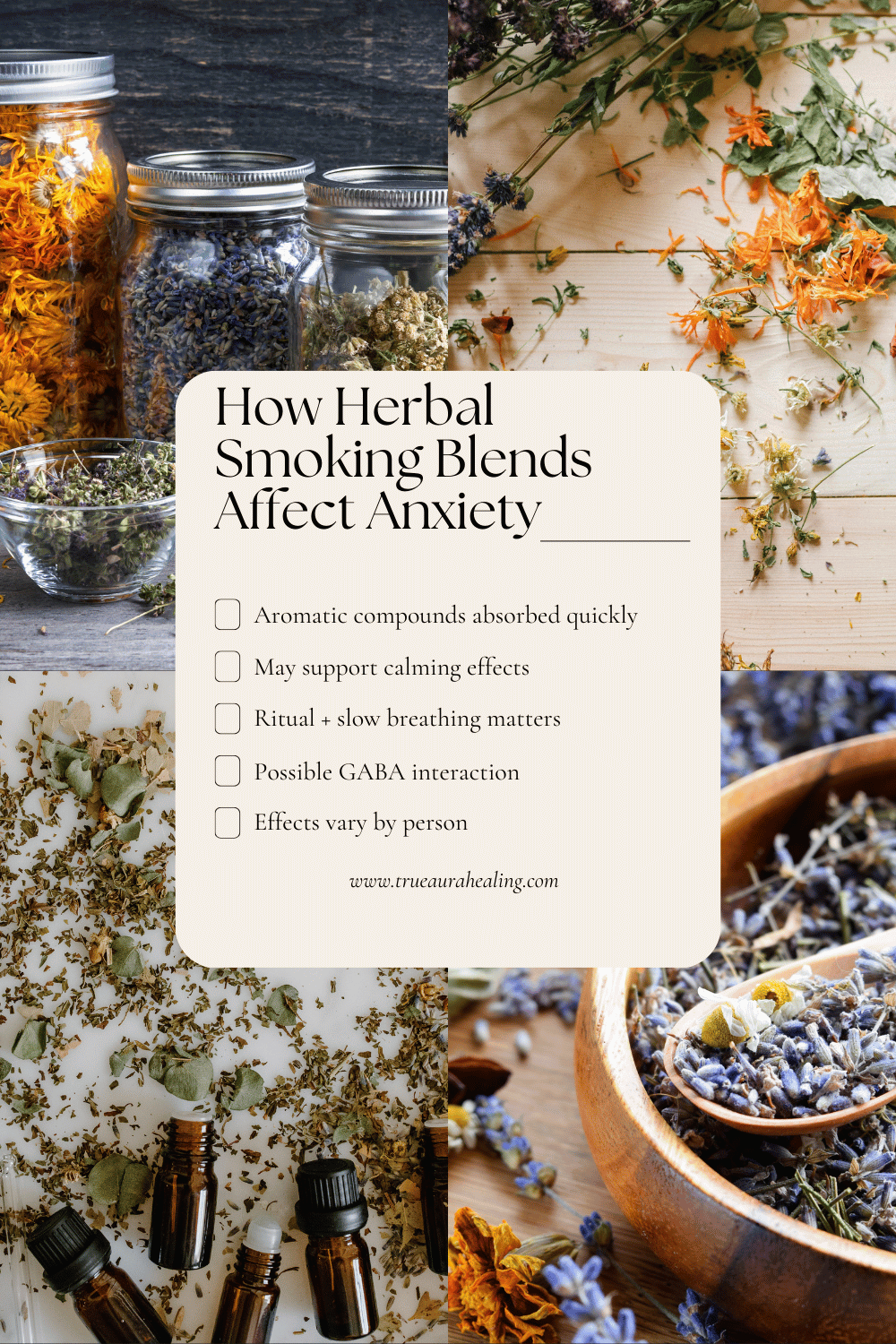
Learn how aromatic herbs may influence the nervous system and relaxation response.
Key Herbs Commonly Used in Calming Herbal Smoking Blends
Foundation & Carrier Herbs
Marshmallow leaf and marshmallow root are commonly used as a carrier herb due to their smooth, fluffy texture and mild taste. They help protect mucous membranes and make blends easier to inhale. Raspberry leaf or red raspberry is another popular foundation herb that burns evenly and supports balance in the blend.
Calming & Aromatic Herbs
Herbs like blue lotus, lemon balm, lavender, and rose petals are valued for their calming properties and aroma. These herbs contribute floral flavor, subtle sweetness, or gentle bitterness depending on the blend. Their aromatic compounds enhance relaxation and create a soothing sensory experience.
Supporting & Adaptogenic Herbs
Gotu kola, Korean ginseng, and uva ursi are sometimes added in very small amounts to support focus or grounding. These herbs are potent, so a little bit goes a long way. They should be used carefully and intentionally as part of a balanced blend.
Potential Benefits of Herbal Smoking Blends
Some people report stress relief, relaxation, and emotional grounding from herbal smoking blends. Certain herbs contain anti-inflammatory properties that may support comfort and calm. Others note benefits to mood, focus, or sleep quality, though effects vary widely. These blends are not treatments but may offer potential therapeutic benefits when used responsibly.
Infographic 4: Safety & Respiratory Health Tips
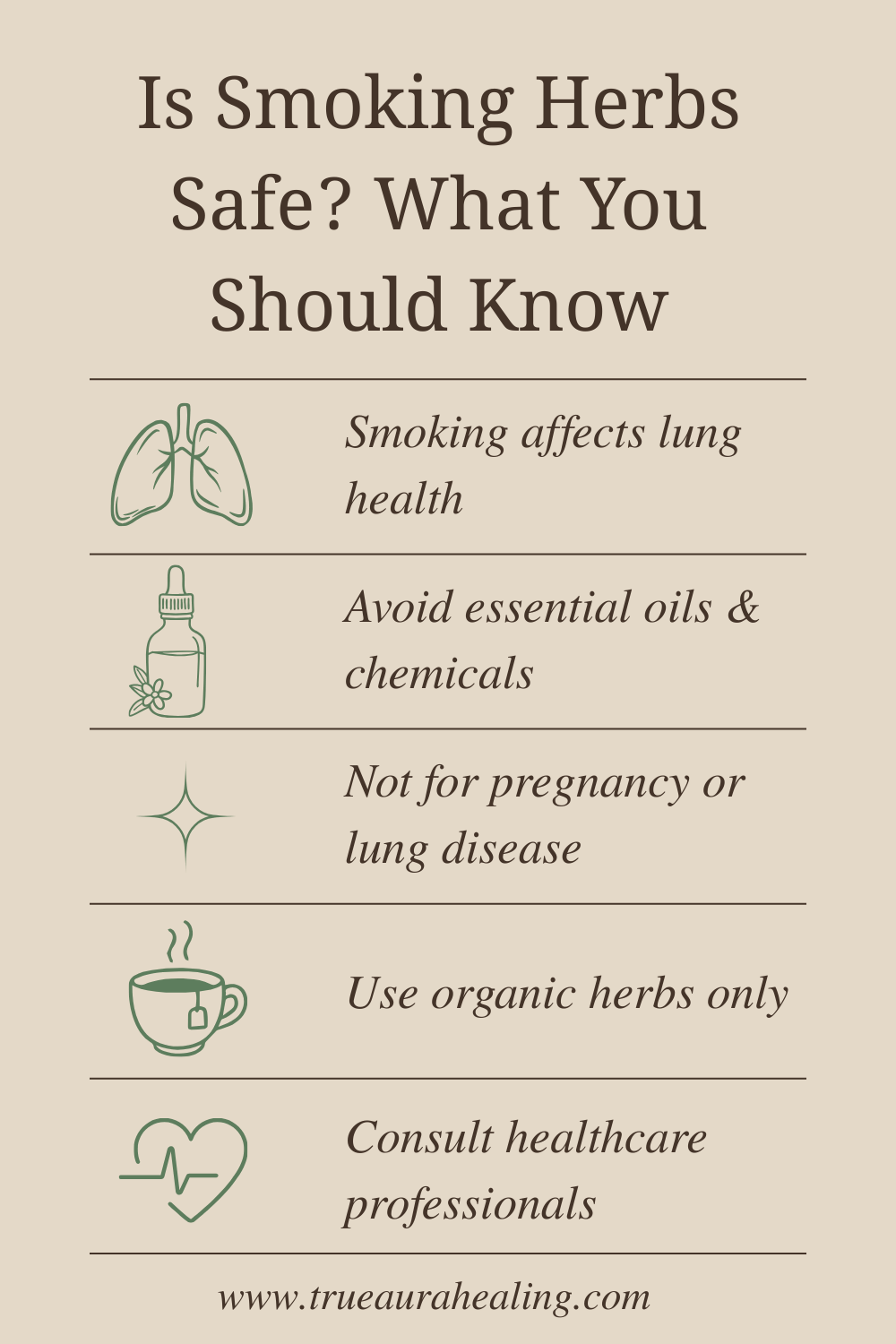
Important safety considerations before trying herbal smoking blends.
Safety, Respiratory Health & Important Considerations
The act of smoking—even herbs—can impact respiratory health and irritate mucous membranes. Smoking introduces heat and particles into the lungs, which may affect blood vessels and lung tissue over time. Avoid essential oils, synthetic additives, or herbs treated with harmful chemicals. People with respiratory issues, lung infections, or chronic medical conditions should avoid herbal smoking altogether.
Herbal Smoking vs Other Herbal Preparations
Smoking herbs differs greatly from drinking herbal teas or using tinctures. Smoking produces faster onset but shorter-lasting effects, while teas prepared with a cup of hot water offer gentler, longer support. Teas and tinctures may be a safer option for those sensitive to smoke. Each preparation delivers specific effects depending on absorption and dosage.
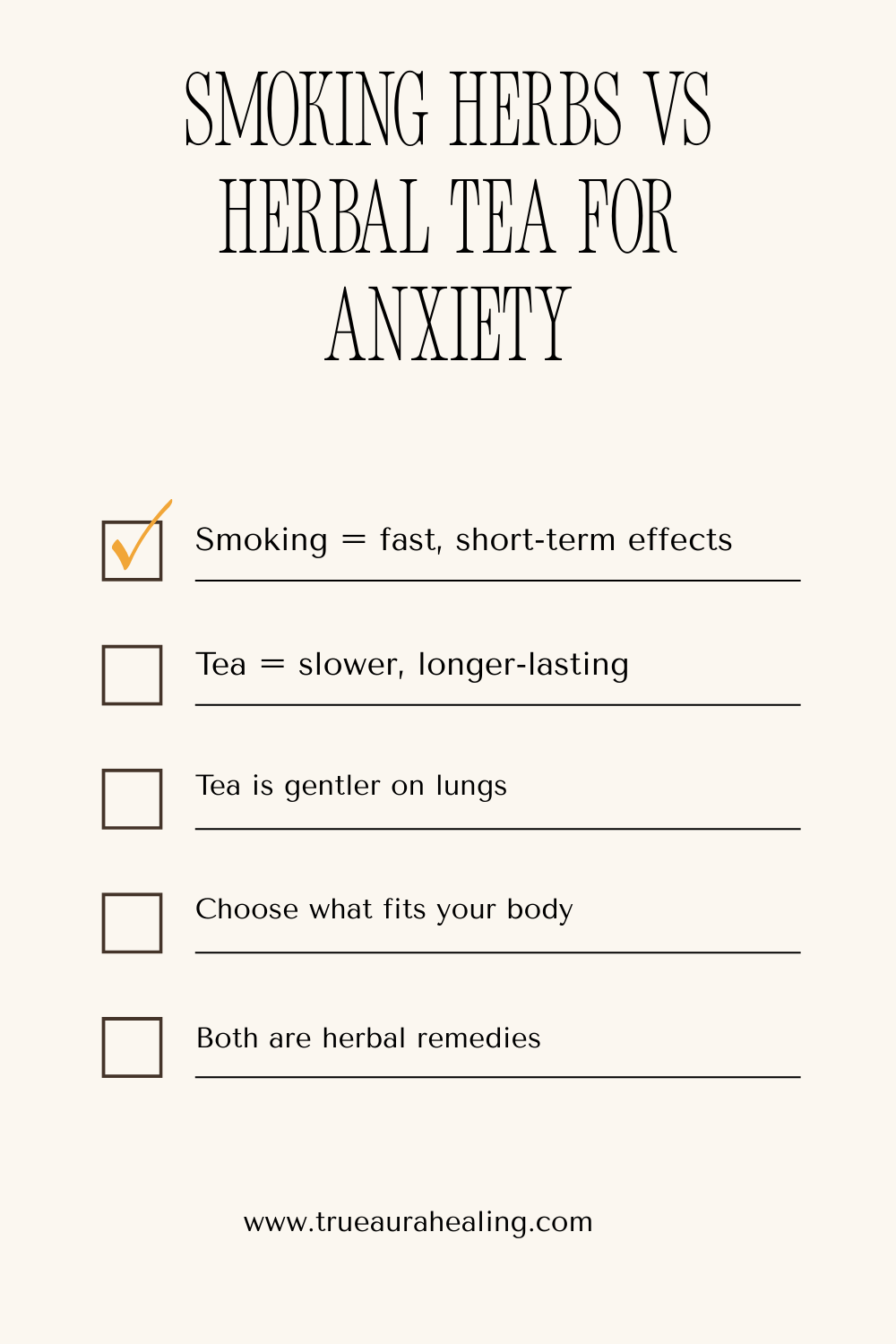
Compare herbal smoking blends and herbal teas for stress relief.
Creating Your Own Herbal Smoking Blends
Making your own blends allows you to control ingredient quality and ratios. Choose organic blends and ethically sourced herbs whenever possible. Combine foundation herbs with calming and supporting herbs for balance. Pay attention to flavor, burn rate, and how each herb affects your body.
First-Time Tips for Smoking Herbal Blends
If it’s your first time, start with very small amounts. Observe how your body responds and avoid mixing many herbs at once. Focus on slow breathing and intention rather than intensity. Treat herbal smoking as a calming ritual, not a habit.
Who Should (and Shouldn’t) Use Herbal Smoking Blends
Some adults may explore herbal smoking blends for mild anxiety or stress relief. However, people who are pregnant, have lung conditions, or take medications should avoid them. Those with a medical condition should seek medical advice before experimenting. Consulting healthcare professionals ensures safer, informed decisions.
Herbal smoking blends may offer calming effects through both plant compounds and mindful ritual. However, safety, moderation, and ingredient quality are essential. Smoking herbs is not risk-free and should never replace professional care. When approached thoughtfully, herbal options can be explored responsibly as part of a broader wellness practice.